
免费 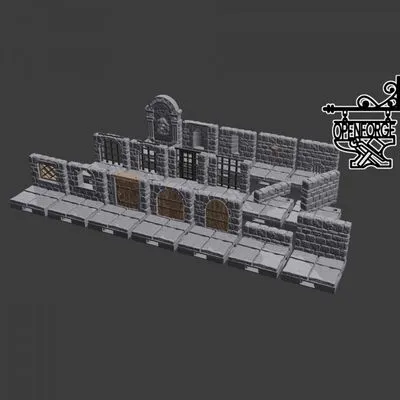
Dungeon Stone - Wall on Tile: Walls (Full Set)
MyMiniFactory
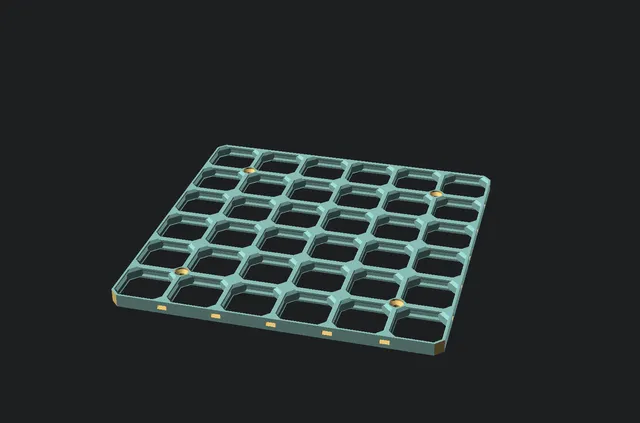
This collection gathers tile-shaped 3D models: modular terrain pieces, board game tiles and dispensers, wall plaques, and organizer tiles for grids and pegboards. Most of them are built for 3D printing as flat or interlocking parts, so they stack, snap or slot together. It helps if you already know whether you want a play surface, a storage grid or a decorative panel. Polyzon does not confirm whether models are free, their price, license, official status, affiliation, safety or fitness. Check the current terms at the source.
本合集的文字为英文,搜索本身支持任何语言。
 Polyzon合集 · 48个模型 来自6个平台
此合集由Polyzon根据已接入平台的搜索结果整理而成:去除重复项和没有预览图的模型,匹配度低的排在最后,其余按搜索结果顺序排列。模型归作者所有——请在各模型页面查看使用条款。
筛选规则:Polyzon编辑部 · 文字更新于2026年10月14日


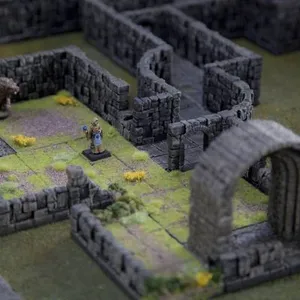


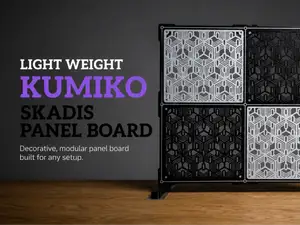
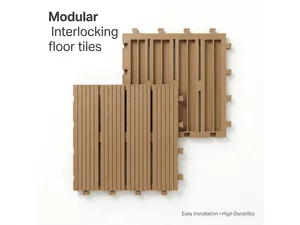


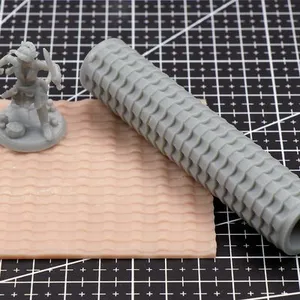
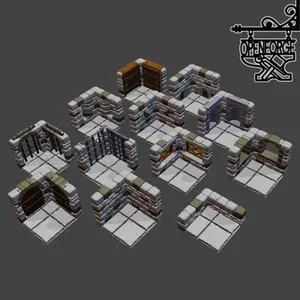
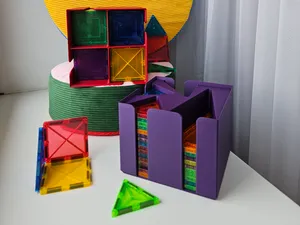
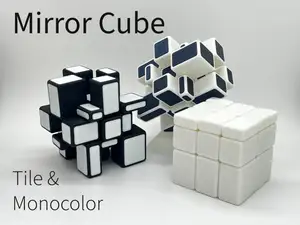


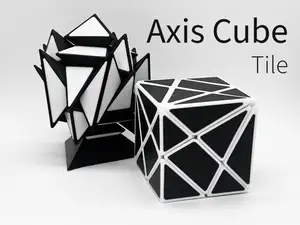
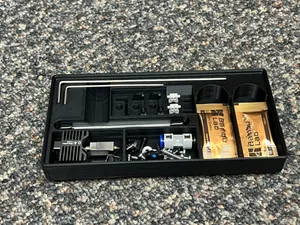


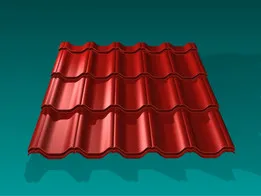
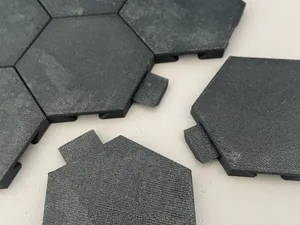


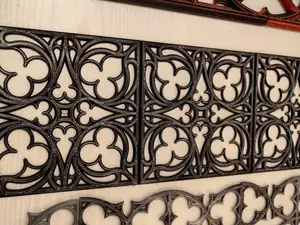
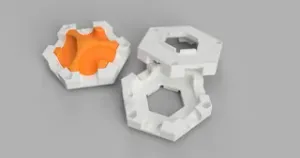

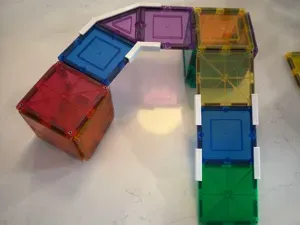


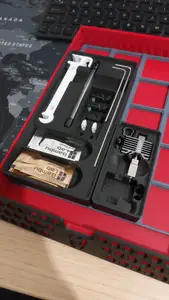


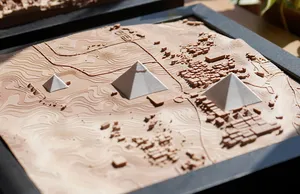
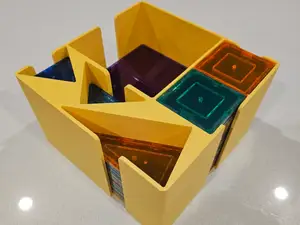
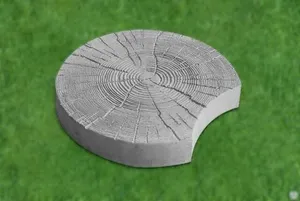
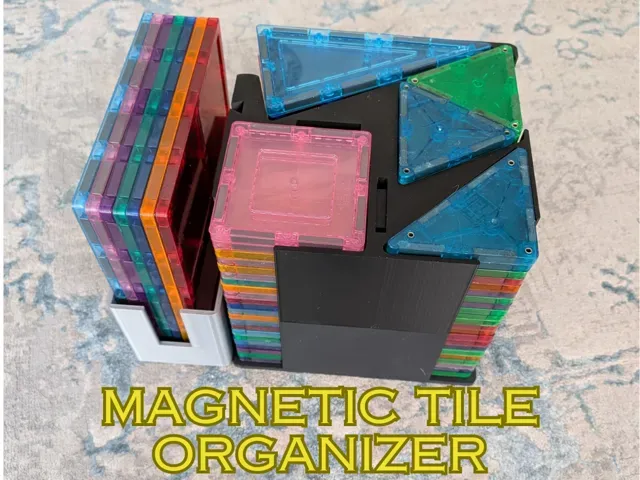
Terrain tiles usually come as square or hexagonal pieces with walls, corners and floor sections that repeat across a layout, while board game tiles are thinner plates meant to be laid out and moved during play. Decorative tiles and plaques are single pieces with relief detail, and organizer tiles are flat bases with cutouts or magnets for holding small items. The differences show up in thickness, edge geometry and how many parts make up one unit.
When choosing, look at the stated footprint and scale, the number of parts in a set, and whether the author lists supports or orientation notes. Check the material and settings on the model page, since thin plates and interlocking edges behave differently in PLA and in tougher filaments. Photos of real prints are the quickest way to judge how edges, joints and surface texture come out on a 3D printer.
To widen the search, try synonyms such as modular floor tile, hex tile, terrain tile, wall panel or grid base, and related terms like dungeon floor, game board insert or pegboard accessory. Combining a shape word with a purpose word narrows results quickly. If you need a specific layout, search by the grid system or by the game or tool the tile is meant to fit.
Some tiles are designed as one-piece prints, others as kits with separate rims, clips or inserts, so assembly effort varies. A tile that repeats across a large area is usually worth checking for consistent wall height and connector clearance before you commit to many copies. For decorative pieces, the depth of the relief and the intended viewing distance matter more than the part count.
完整的主题目录:从家居日用到CNC,均可在已接入的来源平台中搜索。