

Grátis 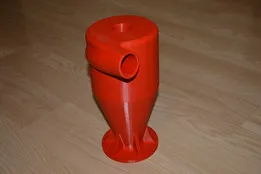
Cyclone Filter
GrabCAD
This collection gathers STL files for cyclone filters: separators that spin dust out of an airflow before it reaches a vacuum, plus the adapters and mounts that connect them. The range covers workshop and industrial units, inserts for handheld cleaners, and pool or aquarium versions. It is useful when you want to build a dust separator on a 3D printer instead of buying a ready-made housing. Polyzon does not confirm whether models are free, their price, license, official status, affiliation, safety or fitness. Check the current terms at the source.
O texto desta coleção está em inglês; a busca funciona em qualquer idioma.
 Uma coleção do Polyzon · 46 modelos de 7 sites
O Polyzon monta esta coleção a partir dos resultados de busca dos sites conectados. Repetições e modelos sem prévia são removidos, correspondências fracas vão para o final e o restante segue a ordem da busca. Os modelos pertencem aos seus autores — confira os termos na página de cada modelo.
Regras de seleção: equipe editorial do Polyzon · Texto atualizado em 12/10/2026


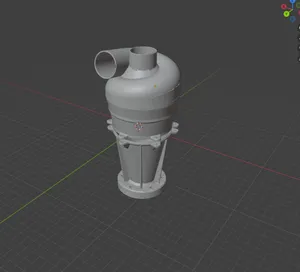

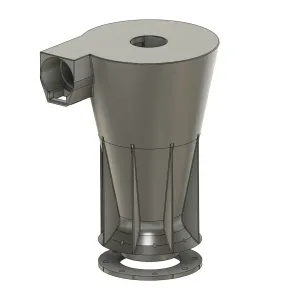


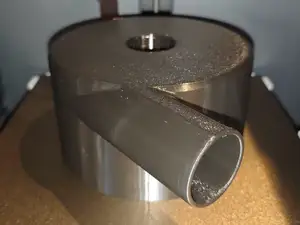
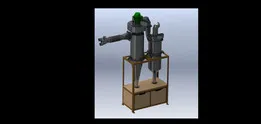

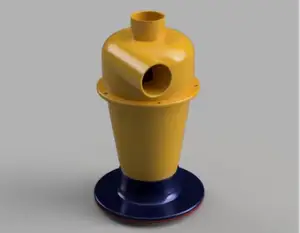

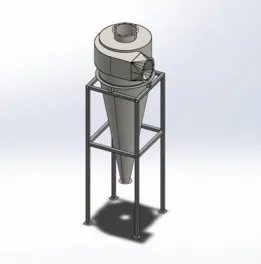
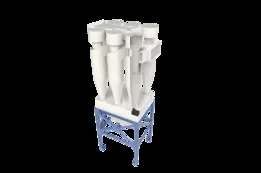


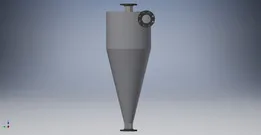


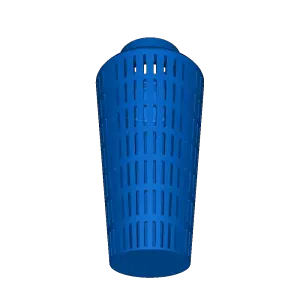


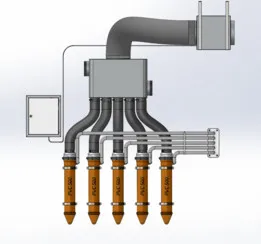


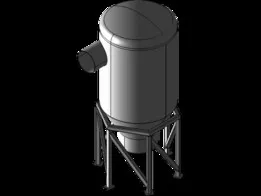
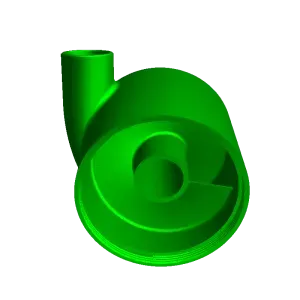
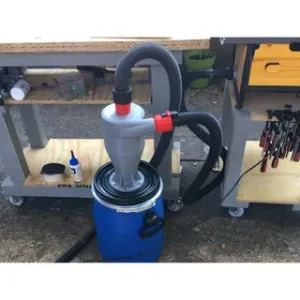


The models fall into a few groups. Large separators are meant to sit on a bucket or drum and take a thick hose, while low-profile and compact versions are shaped for tight spaces or for fitting inside an existing cleaner. A second group is purely connective: couplings, flanges and hose adapters in several diameters, including stepped parts that bridge two sizes. Pool and water cyclones, along with aquarium variants, follow the same principle but work with liquid flow and often use a bottle or a small container as the collection chamber.
Before printing, read the author's page for the numbers that decide whether a part fits your setup: inlet and outlet diameters, the hose size each port expects, container volume, and overall height under the tool. Check whether the model needs supports and how the parts join — threaded, press-fit or screwed. The material and print settings listed by the author, together with photos of real prints, tell you more about wall thickness and how the piece behaves under suction than the render does.
If the first search is thin, try other names for the same idea: dust separator, vortex filter, cyclonic separator, chip collector, or bucket lid cyclone. Searching by the hose diameter or by the container you plan to use often surfaces adapters that a generic query misses. Related topics worth a look include workshop dust collection, CNC chip extraction, pool leaf catchers and aquarium filtration, since these use the same swirling-flow principle in different sizes.
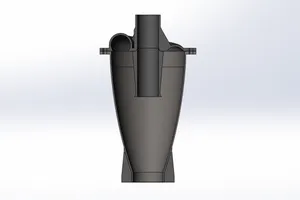

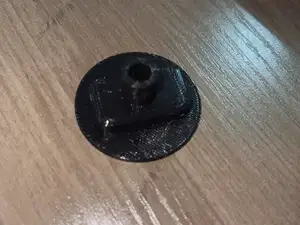


O catálogo completo de temas — de casa e utilidades a CNC, com busca em todos os sites conectados.

