
Grátis 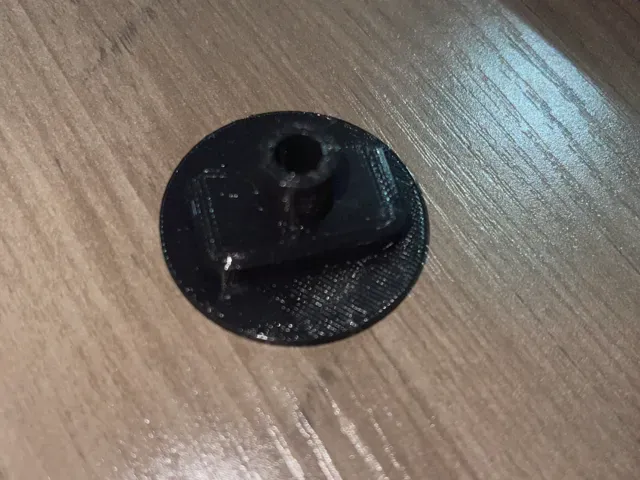
cyclone bucket anti crush (feet for 6.5mm rod)
MakerWorld
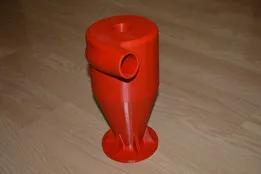
This collection gathers STL parts built around a bucket used as a dust container for a cyclone separator. It covers lids, adapters, reinforcement rings and small fittings that connect a vacuum hose to the bucket. The parts are meant for 3D printing, so you can match a separator to the bucket and hose you already have. Polyzon does not confirm whether models are free, their price, license, official status, affiliation, safety or fitness. Check the current terms at the source.
O texto desta coleção está em inglês; a busca funciona em qualquer idioma.
 Uma coleção do Polyzon · 46 modelos de 5 sites
O Polyzon monta esta coleção a partir dos resultados de busca dos sites conectados. Repetições e modelos sem prévia são removidos, correspondências fracas vão para o final e o restante segue a ordem da busca. Os modelos pertencem aos seus autores — confira os termos na página de cada modelo.
Regras de seleção: equipe editorial do Polyzon · Texto atualizado em 11/10/2026


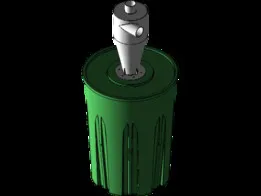
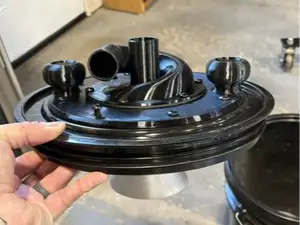

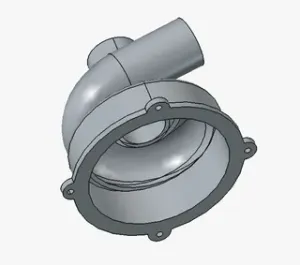
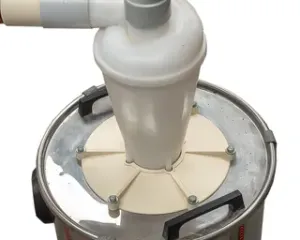
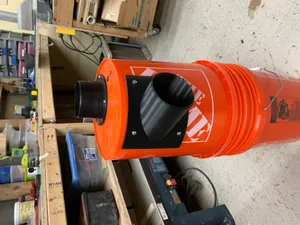
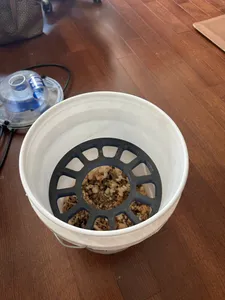

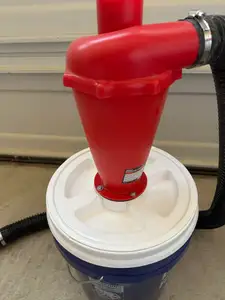
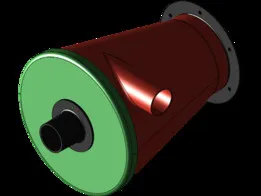
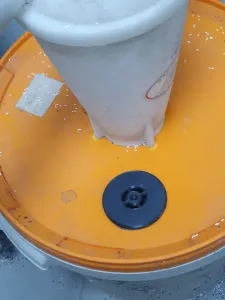


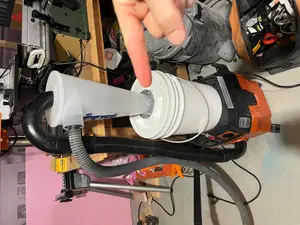

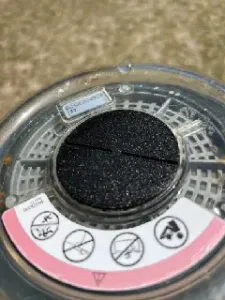
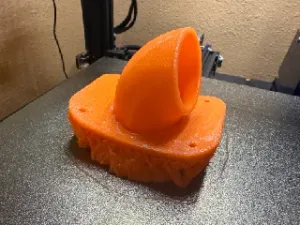
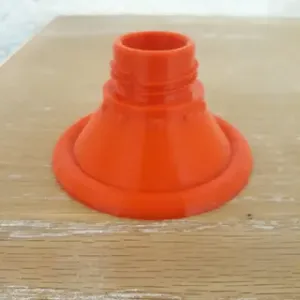

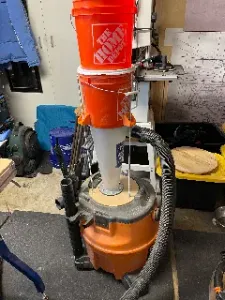

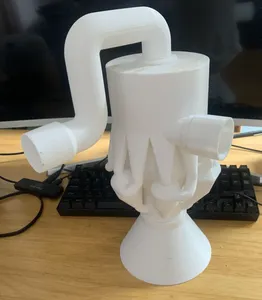
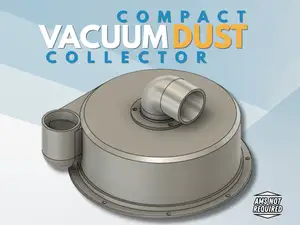
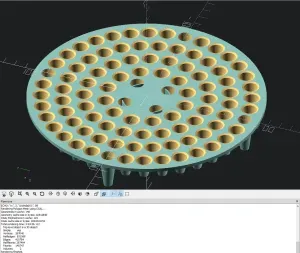
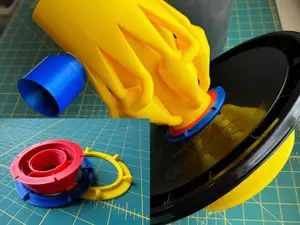

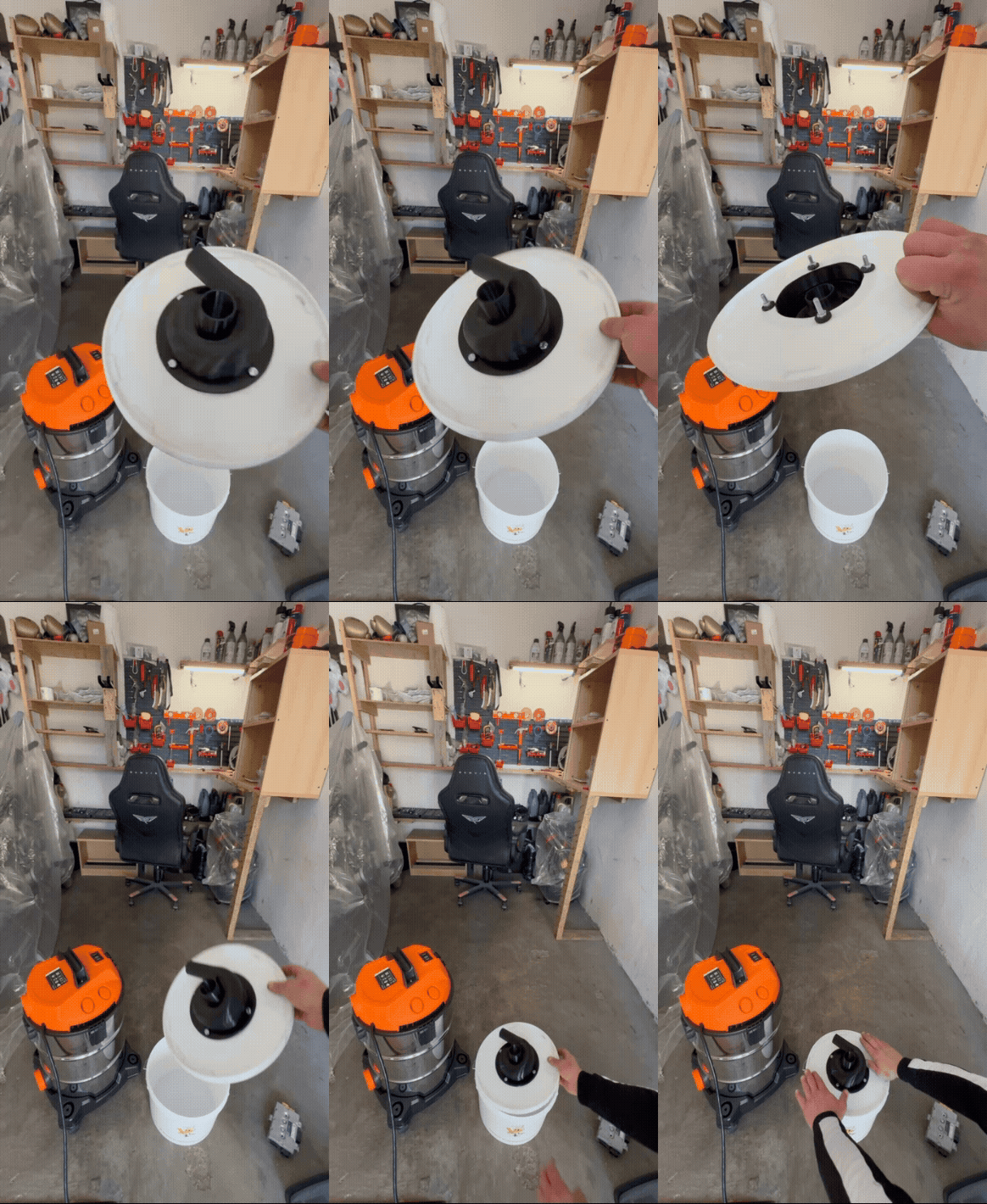

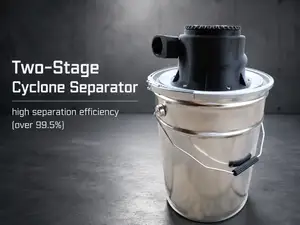


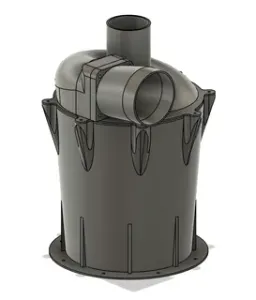


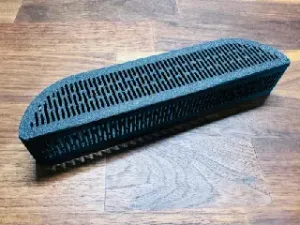
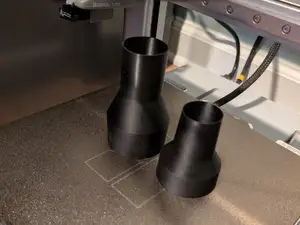
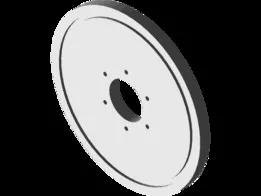
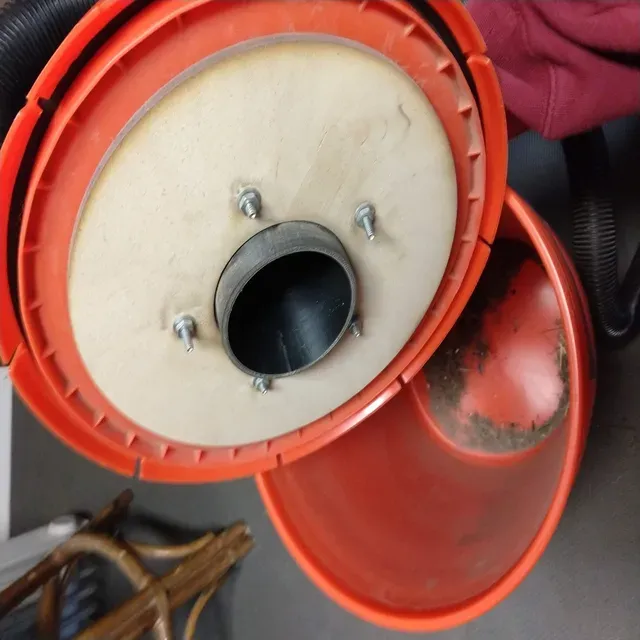
The models fall into a few groups. Some are complete lids that hold a cyclone on top of a bucket, others are adapters that join a separator to a specific bucket opening or hose diameter. There are also stiffening rings and spacers that sit around the rim or under the lid, plus small ports and flanges that form the air inlet and outlet.
When choosing a part, read the author's page for the bucket size and rim type, the hose or pipe diameter, and the wall thickness of the printed piece. Check how many separate parts are involved and whether they need fasteners, seals or glue. Look at the material and settings the author lists, and at photos of real prints, since thin walls and large flat lids behave differently depending on the filament and orientation.
If the results feel narrow, try related wording: dust separator, dust collector, chip separator, bucket lid, hose adapter, or the pipe diameter you use. Combining a separator term with a container term usually brings up more options, and browsing the fittings and printer-parts categories can surface small connectors that the main search misses.
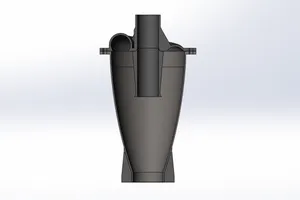



O catálogo completo de temas — de casa e utilidades a CNC, com busca em todos os sites conectados.

