Ücretsiz 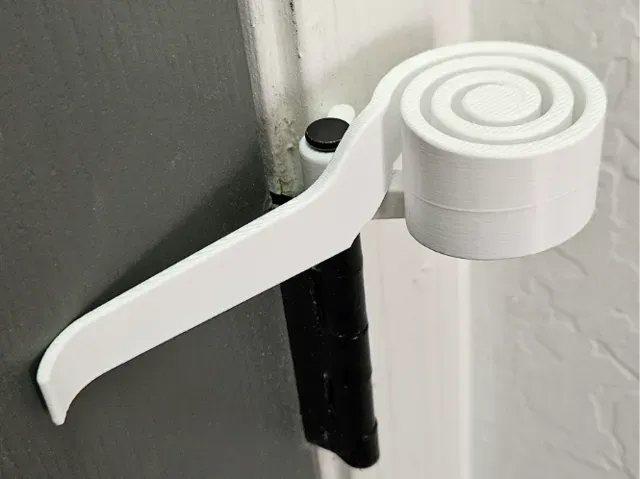
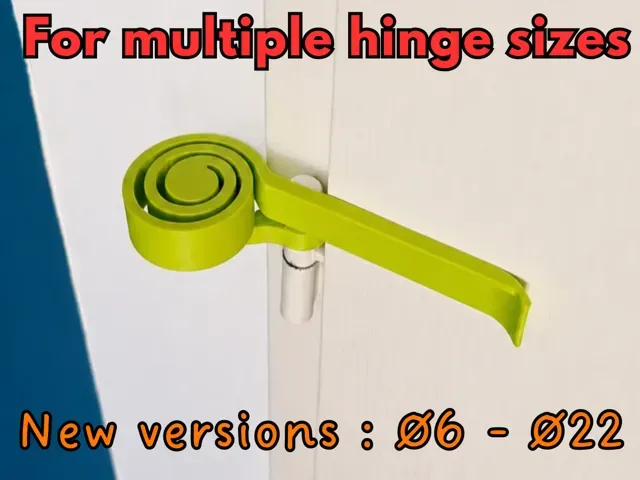
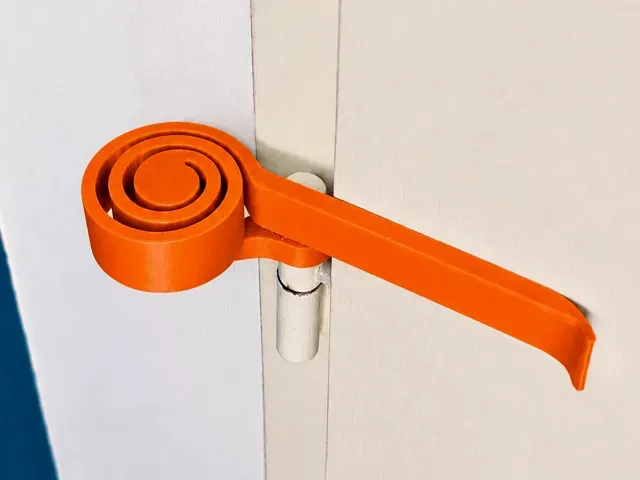
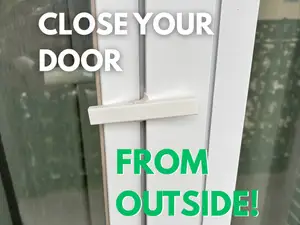
V1.3 Automatic Door Closer Easy Print
MakerWorld
This collection gathers 3D models of door closers: spring and elastic-band mechanisms, hydraulic and overhead bodies, automatic and partial variants, plus handles and small hardware that go with them. Most entries are small mechanical assemblies, so they are useful for 3D printing practice and for repairing or adapting an existing door. Each listing shows how the parts fit together, which makes it easier to judge a design before you commit filament to it. Polyzon does not confirm whether models are free, their price, license, official status, affiliation, safety or fitness. Check the current terms at the source.
Bu koleksiyonun metni İngilizce; arama ise her dilde çalışır.
 Bir Polyzon koleksiyonu · 48 model 5 siteden
Polyzon bu koleksiyonu bağlı sitelerdeki arama sonuçlarından oluşturur. Tekrarlar ve önizlemesi olmayan modeller çıkarılır, zayıf eşleşmeler sona alınır, geri kalanlar arama sırasını korur. Modeller yazarlarına aittir; her modelin sayfasındaki koşulları kontrol edin.
Seçim kuralları: Polyzon editör ekibi · Metin güncellendi: 11.10.2026
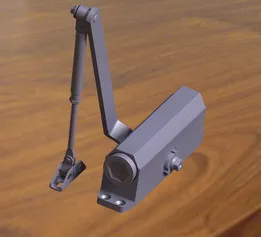

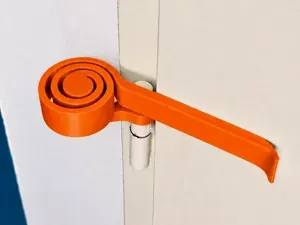

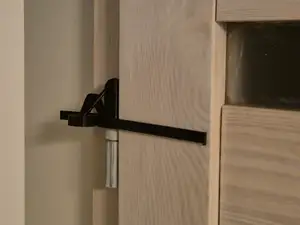

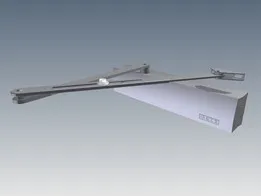
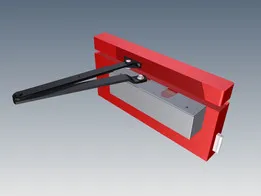


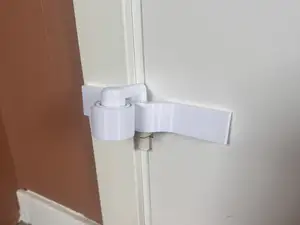
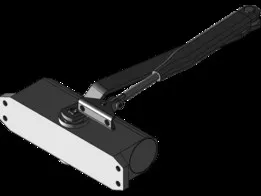




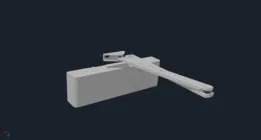
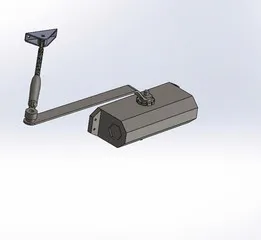


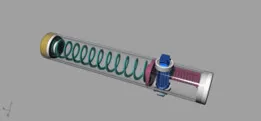


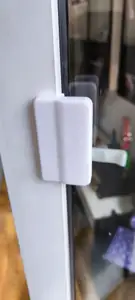


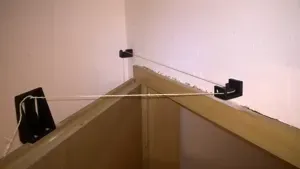
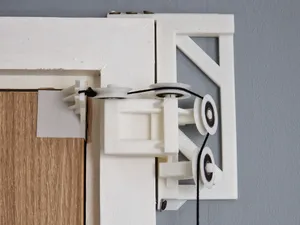
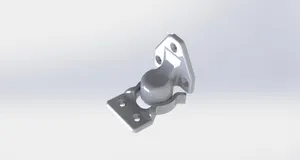

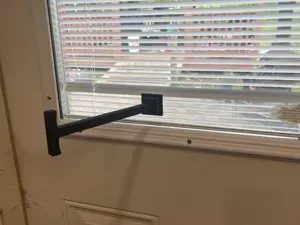

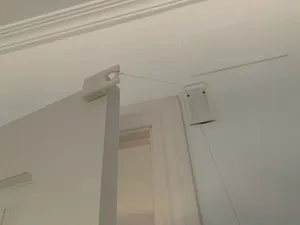
The designs differ mainly in how they store and release force. Spring and rubber-band versions are compact, mount near the hinge and pull the leaf shut over a short arc. Hydraulic and overhead bodies are larger, sit above the door and close it more slowly, while partial closers and ajar holders only move or hold the leaf part of the way. Some models are adjustable, with a screw or a movable arm that changes the closing force.
Before printing, compare the model against your actual door. Check the hinge diameter and door thickness the author names, the arm length, and where the mounting holes fall. Look at how many separate parts there are and whether they need screws, pins or springs you have to source yourself. Read the material and settings the author lists, see whether supports are required, and study photos of real prints to judge tolerances around the pivot and the spring seat.
If the first results feel narrow, widen the wording. Try door damper, soft-close mechanism, self-closing hinge, gate closer or cabinet soft-close, and search by the part you need rather than the whole unit. Related topics such as hinges, latches, handles, counterweights and torsion springs often turn up designs that work for the same job.



Ev ve günlük yaşamdan CNC'ye kadar tüm konuların kataloğu; bağlı sitelerin hepsinde arama yapabilirsiniz.