
Ücretsiz 
37 Pin Circular Connector for Molex Pins
Thingiverse
This collection gathers flat plates, adapter plates and small mounting parts that come up when people look for a base plate for a circular saw. The models range from simple sheets with drilled holes to brackets, pins and covers that sit around a saw shoe. Each entry is an STL or a similar file you can slice for a 3D printer, so the useful work starts with measuring your own tool. Polyzon does not confirm whether models are free, their price, license, official status, affiliation, safety or fitness. Check the current terms at the source.
Bu koleksiyonun metni İngilizce; arama ise her dilde çalışır.
 Bir Polyzon koleksiyonu · 47 model 3 siteden
Polyzon bu koleksiyonu bağlı sitelerdeki arama sonuçlarından oluşturur. Tekrarlar ve önizlemesi olmayan modeller çıkarılır, zayıf eşleşmeler sona alınır, geri kalanlar arama sırasını korur. Modeller yazarlarına aittir; her modelin sayfasındaki koşulları kontrol edin.
Seçim kuralları: Polyzon editör ekibi · Metin güncellendi: 15.10.2026

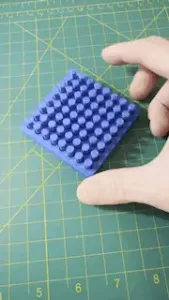

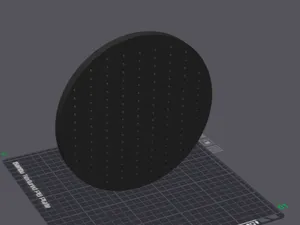
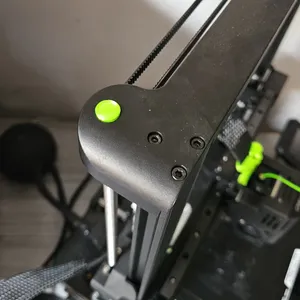

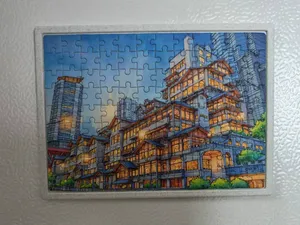
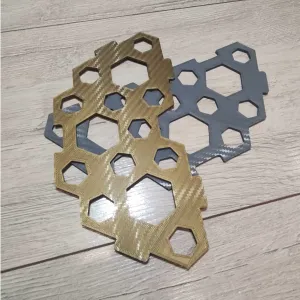

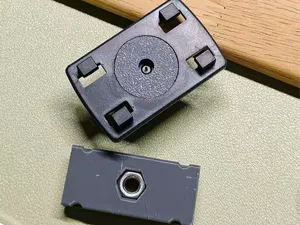
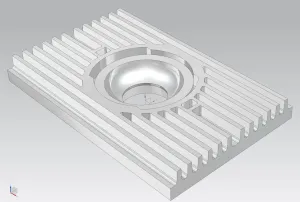

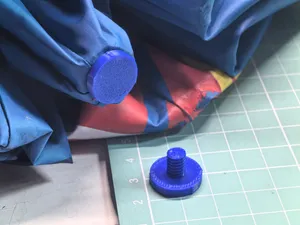
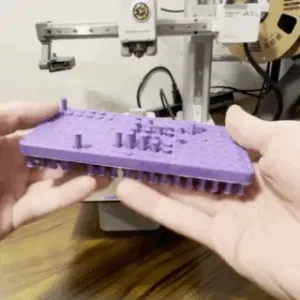

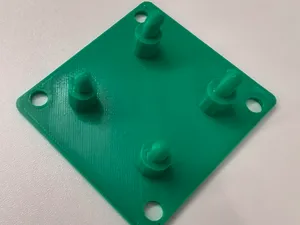
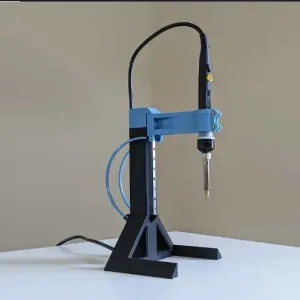

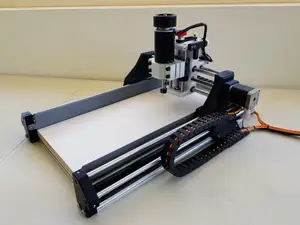


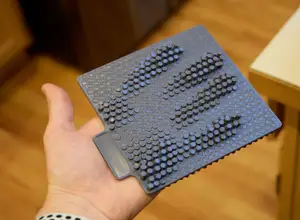
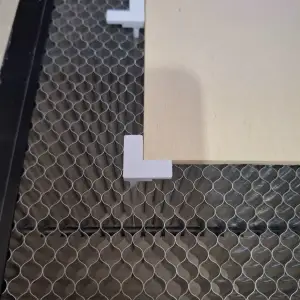
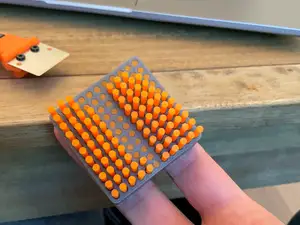
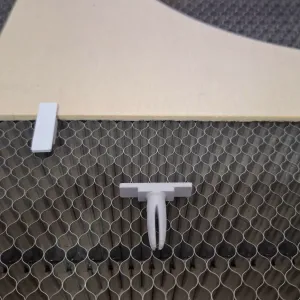

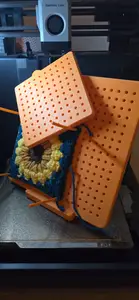
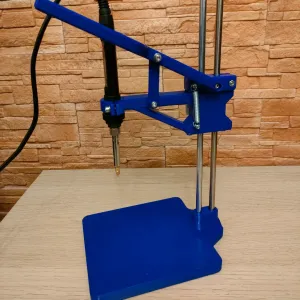

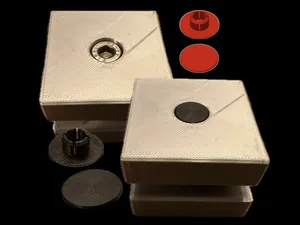
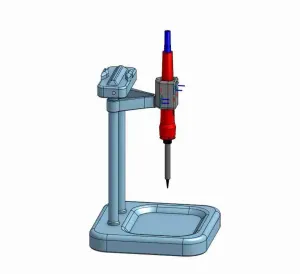

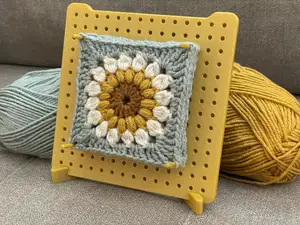
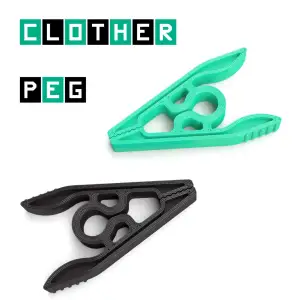


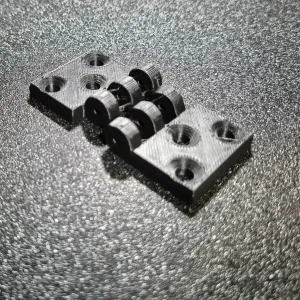

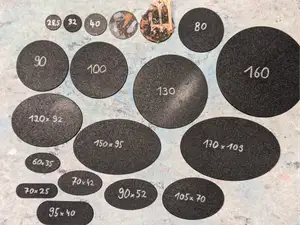
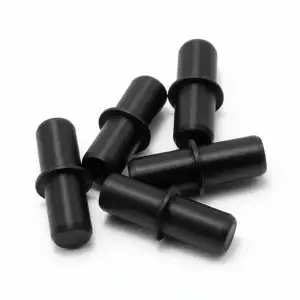

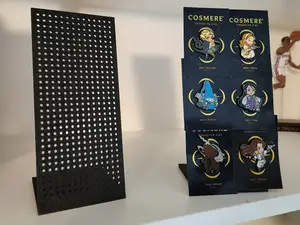
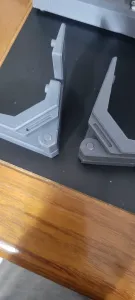
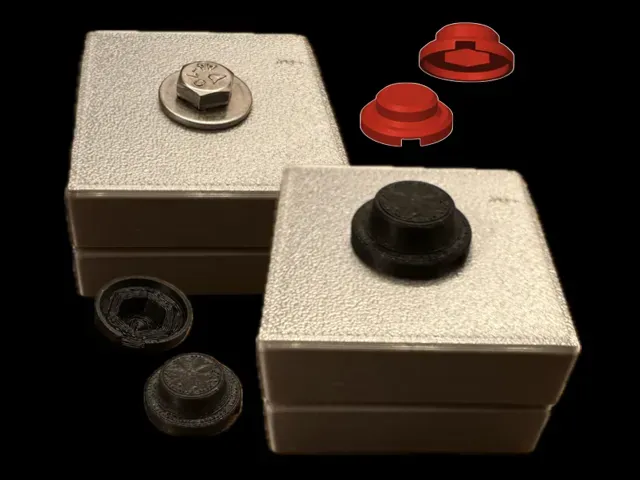
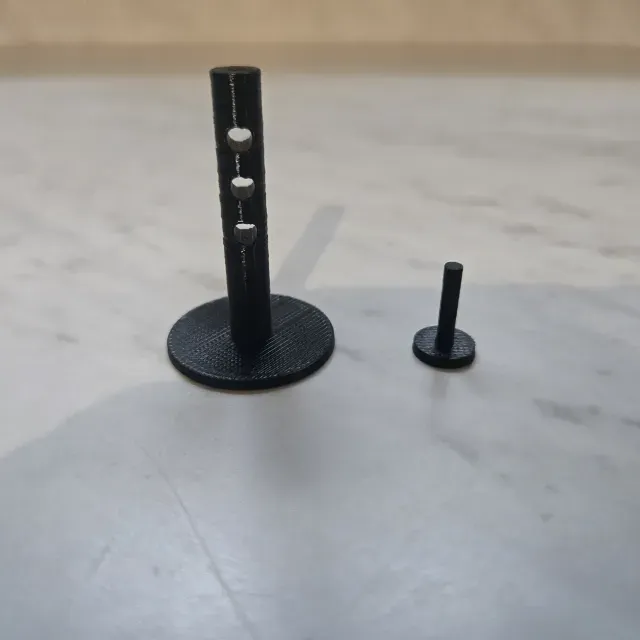
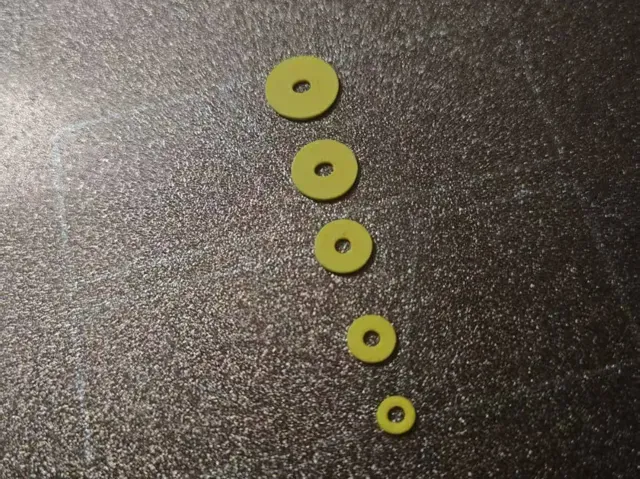
The plates here differ mainly in shape and purpose: some are plain sheets with a slot or a hole pattern, others are adapter plates that join two different mounts, and a few are brackets or hinges that hold a plate at an angle. Pins, plugs and shaft covers solve a different problem, closing an opening or centring a part, while caps and washers sit under a screw head. Push-pin grids and similar flat tiles are a separate group, useful when you want to test how a thin printed sheet behaves before committing to a larger plate.
Before printing, measure the original part: overall length and width, thickness, the width of the blade slot, the spacing and diameter of the mounting holes, and the position of any adjustment slots. On the model page, look at the number of separate parts, whether supports are needed, and the material, layer height and wall count the author lists. Photos of real prints are more informative than renders, especially for thin plates that can warp. If the plate carries the saw body, think about how the load runs through the layers and choose an orientation that puts stress along the print, not between layers.
Search terms vary, so try several: sole plate, base plate, shoe, guide plate, adapter plate, mounting bracket, and the saw model or blade size you work with. Related topics are worth a look too, such as guide rails, dust ports, depth stops and jigs built around a saw. If a result is close but not exact, check whether the author published a parametric version or a set of sizes, since changing hole spacing is often easier than modelling a plate from scratch.



Ev ve günlük yaşamdan CNC'ye kadar tüm konuların kataloğu; bağlı sitelerin hepsinde arama yapabilirsiniz.