
免费 
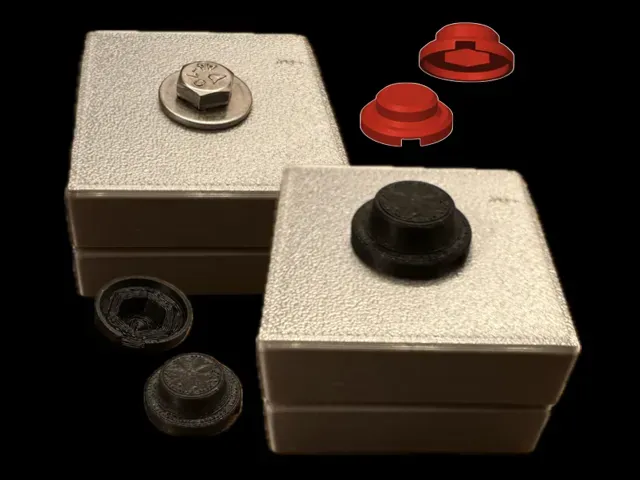
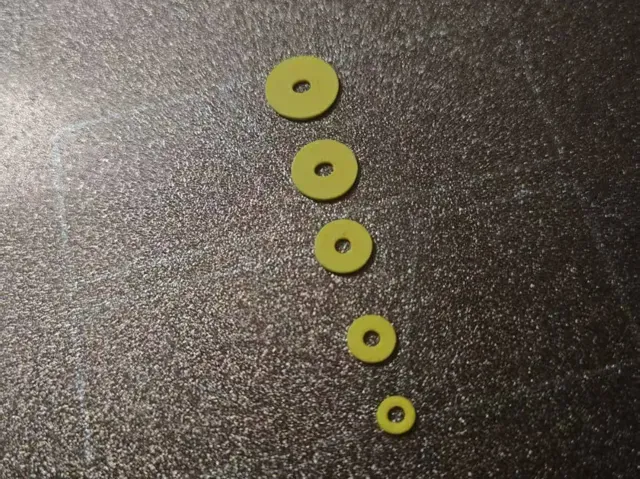
37 Pin Circular Connector for Molex Pins
Thingiverse
This collection gathers flat plates, adapter plates and small mounting parts that come up when people look for a base plate for a circular saw. The models range from simple sheets with drilled holes to brackets, pins and covers that sit around a saw shoe. Each entry is an STL or a similar file you can slice for a 3D printer, so the useful work starts with measuring your own tool. Polyzon does not confirm whether models are free, their price, license, official status, affiliation, safety or fitness. Check the current terms at the source.
本合集的文字为英文,搜索本身支持任何语言。
 Polyzon合集 · 47个模型 来自3个平台
此合集由Polyzon根据已接入平台的搜索结果整理而成:去除重复项和没有预览图的模型,匹配度低的排在最后,其余按搜索结果顺序排列。模型归作者所有——请在各模型页面查看使用条款。
筛选规则:Polyzon编辑部 · 文字更新于2026年10月15日

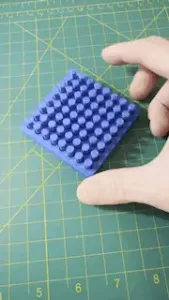

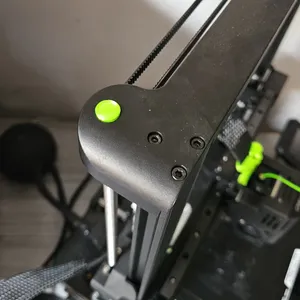

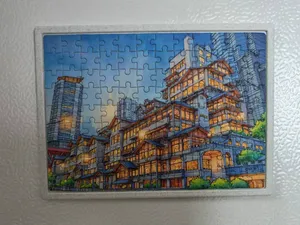
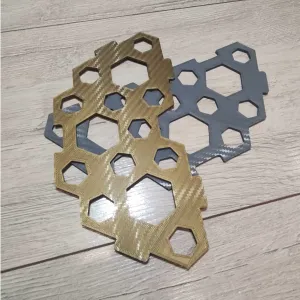

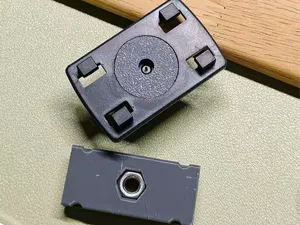
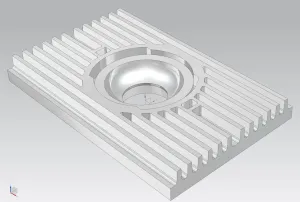

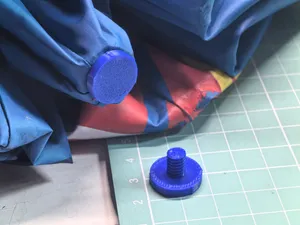
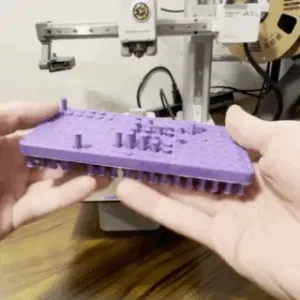

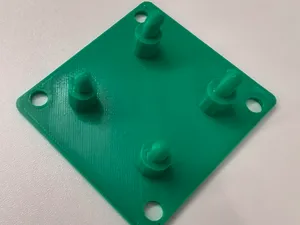
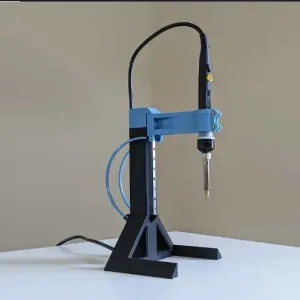

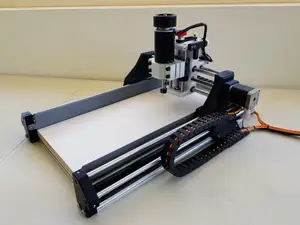
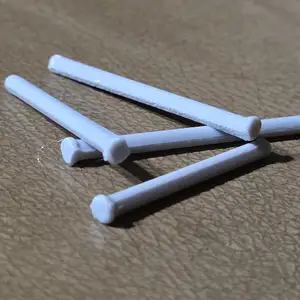

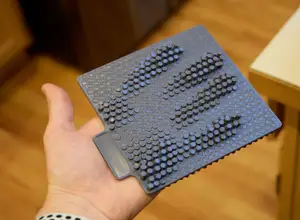
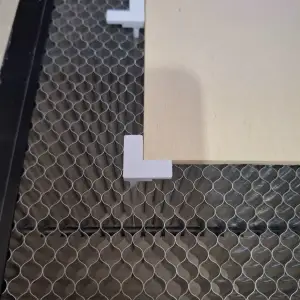
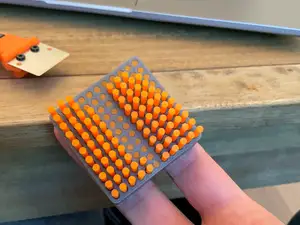
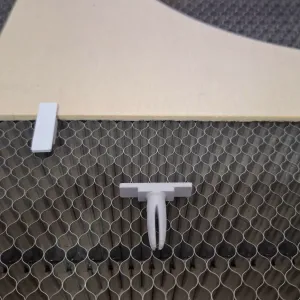

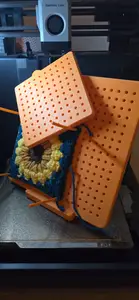
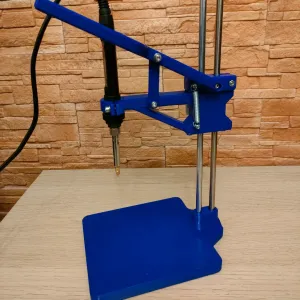

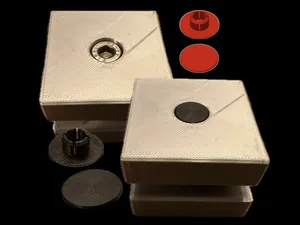

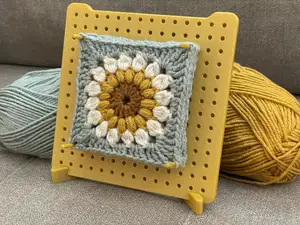
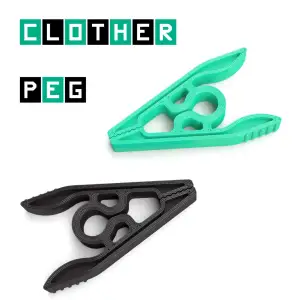

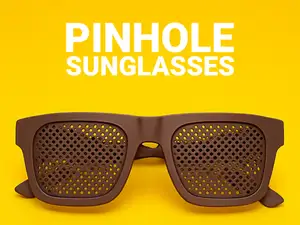
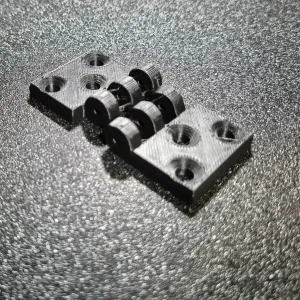

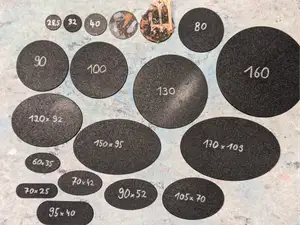
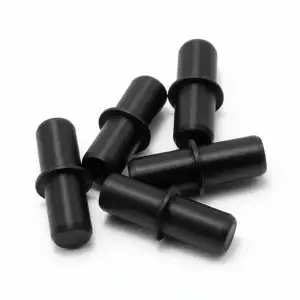

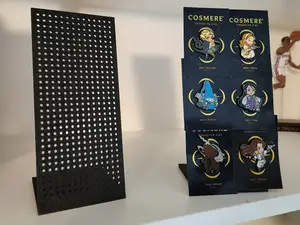
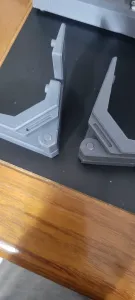
The plates here differ mainly in shape and purpose: some are plain sheets with a slot or a hole pattern, others are adapter plates that join two different mounts, and a few are brackets or hinges that hold a plate at an angle. Pins, plugs and shaft covers solve a different problem, closing an opening or centring a part, while caps and washers sit under a screw head. Push-pin grids and similar flat tiles are a separate group, useful when you want to test how a thin printed sheet behaves before committing to a larger plate.
Before printing, measure the original part: overall length and width, thickness, the width of the blade slot, the spacing and diameter of the mounting holes, and the position of any adjustment slots. On the model page, look at the number of separate parts, whether supports are needed, and the material, layer height and wall count the author lists. Photos of real prints are more informative than renders, especially for thin plates that can warp. If the plate carries the saw body, think about how the load runs through the layers and choose an orientation that puts stress along the print, not between layers.
Search terms vary, so try several: sole plate, base plate, shoe, guide plate, adapter plate, mounting bracket, and the saw model or blade size you work with. Related topics are worth a look too, such as guide rails, dust ports, depth stops and jigs built around a saw. If a result is close but not exact, check whether the author published a parametric version or a set of sizes, since changing hole spacing is often easier than modelling a plate from scratch.
完整的主题目录:从家居日用到CNC,均可在已接入的来源平台中搜索。