免费 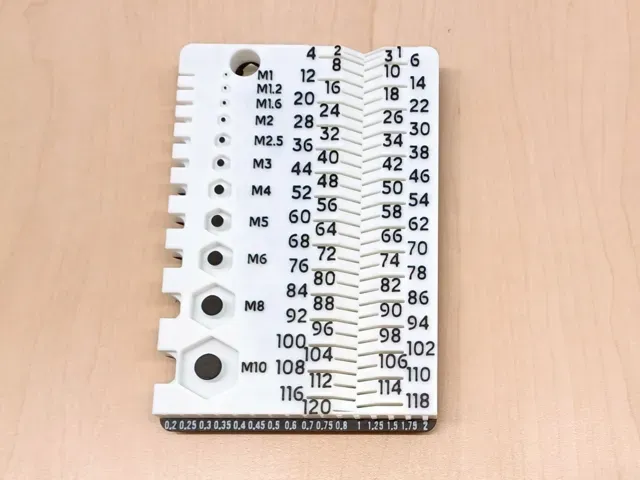
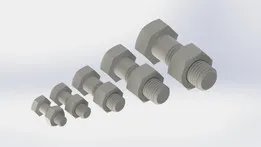
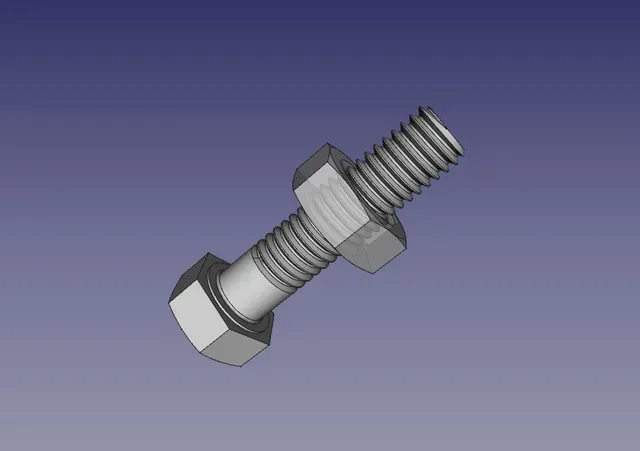
Screw Bolt Nut Pitch Thread Measuring Tool M1-M10
MakerWorld
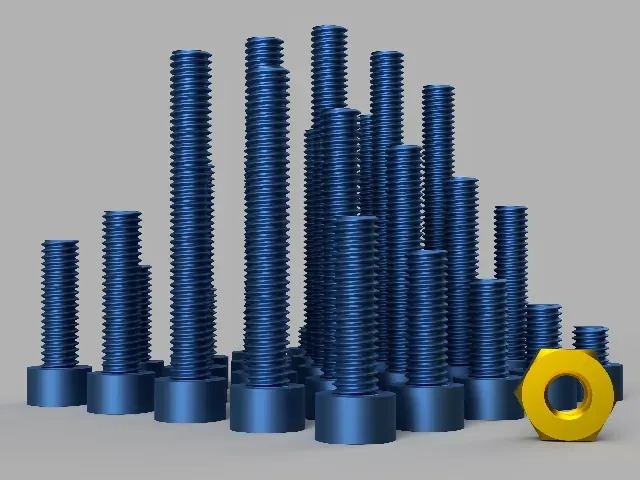
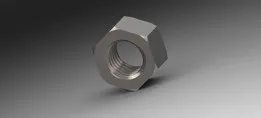
This collection brings together 3D models built around the M34 nut and the parts that go with it, from plain hex shapes to threaded knobs, T-nuts and generator scripts. The files come as STL meshes that you slice for your own 3D printer. It is useful when a matching hardware nut is awkward to find or when a printed part has to meet a specific thread. Polyzon does not confirm whether models are free, their price, license, official status, affiliation, safety or fitness. Check the current terms at the source.
本合集的文字为英文,搜索本身支持任何语言。
 Polyzon合集 · 48个模型 来自6个平台
此合集由Polyzon根据已接入平台的搜索结果整理而成:去除重复项和没有预览图的模型,匹配度低的排在最后,其余按搜索结果顺序排列。模型归作者所有——请在各模型页面查看使用条款。
筛选规则:Polyzon编辑部 · 文字更新于2026年10月12日
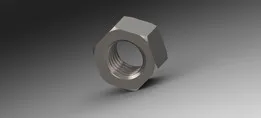

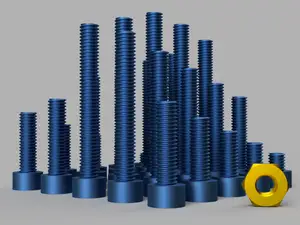
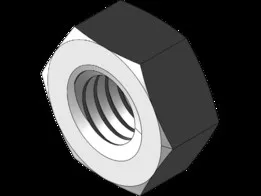

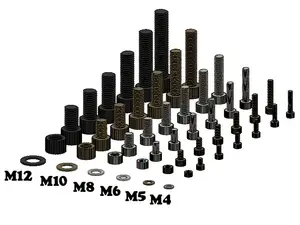

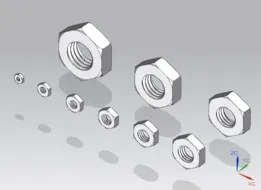
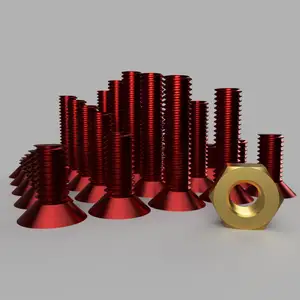
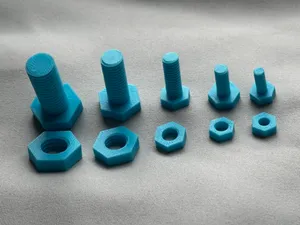
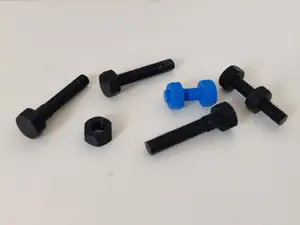

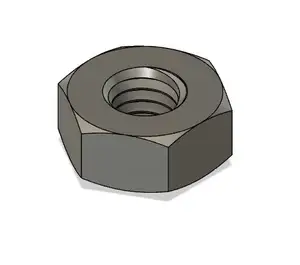
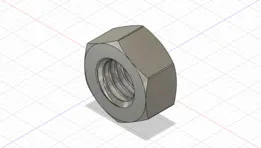
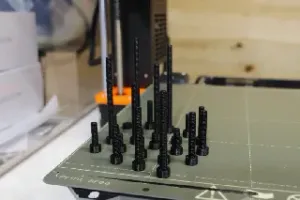
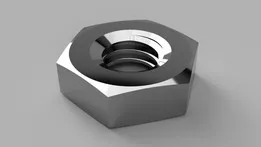


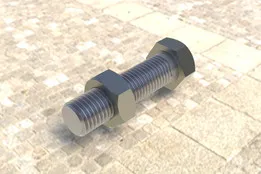

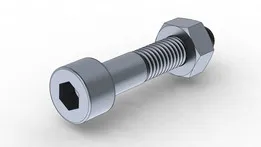

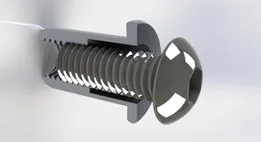
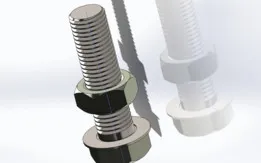
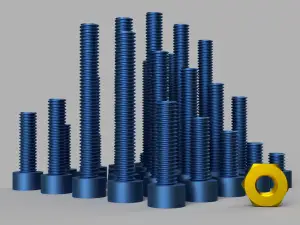


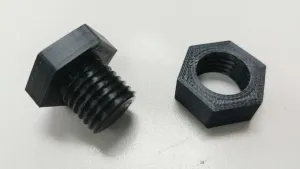
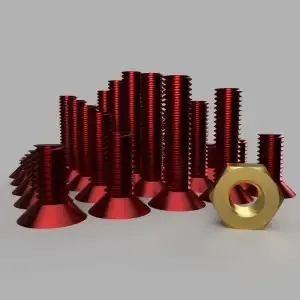

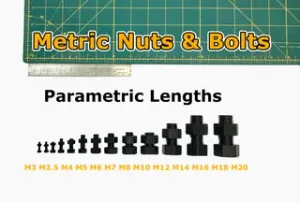
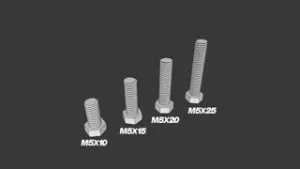


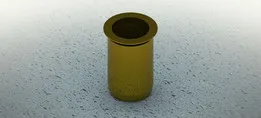
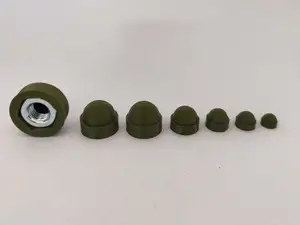
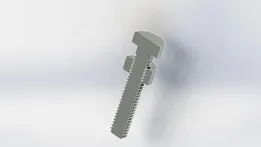


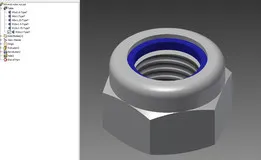
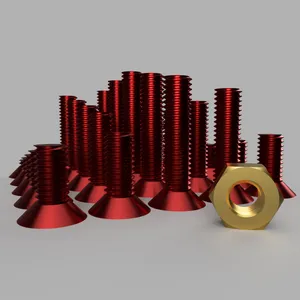
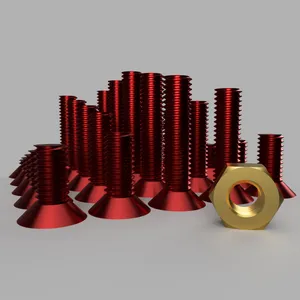
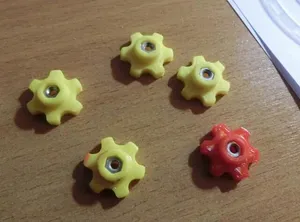
The models fall into a few groups. Knobs and grips wrap a standard nut so it can be turned by hand, while fastener sets gather many thread sizes into one download. T-nuts slide into aluminium profiles and rails, and parametric generators produce a thread from values you enter rather than a fixed shape. Each group solves a different problem, so the first step is deciding whether you need a single part or a whole set.
Before printing, open the author's page and read what is listed there: the thread pitch and outer size, the number of separate parts, whether the model is meant to be printed in one piece or assembled, and any note about supports. Check the photos of real prints to see how the thread came out. A quick measurement in the slicer against the screw you plan to use saves a failed print.
If the results are thin, try other names for the same idea: hex nut, cap nut, dome nut, threaded insert, threaded knob, or the profile system the nut is meant for. Searching by the thread designation alone often misses models filed under a general fastener collection. Related topics such as bolts, washers, spacers and thread repair pieces usually lead to the same authors and similar geometry.
完整的主题目录:从家居日用到CNC,均可在已接入的来源平台中搜索。