免费 
Legs for fpv drone (10)
Printables
This collection gathers 3D models that lift a drone off the ground: risers and extenders for camera drones, fixed-length legs for FPV builds, replacement legs for damaged frames, and universal feet for tubes. Most of these parts are small and print in a single run, which makes them a common first project for anyone getting into 3D printing. The list is useful when an original leg has broken or when a frame needs more ground clearance. Polyzon does not confirm whether models are free, their price, license, official status, affiliation, safety or fitness. Check the current terms at the source.
本合集的文字为英文,搜索本身支持任何语言。
 Polyzon合集 · 47个模型 来自7个平台
此合集由Polyzon根据已接入平台的搜索结果整理而成:去除重复项和没有预览图的模型,匹配度低的排在最后,其余按搜索结果顺序排列。模型归作者所有——请在各模型页面查看使用条款。
筛选规则:Polyzon编辑部 · 文字更新于2026年10月12日


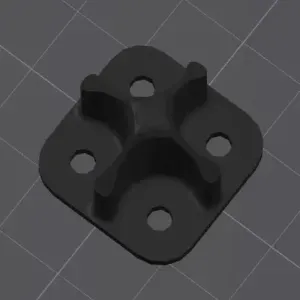


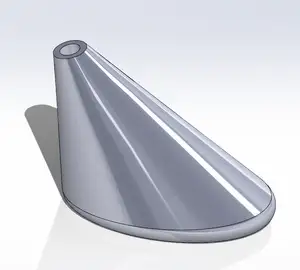



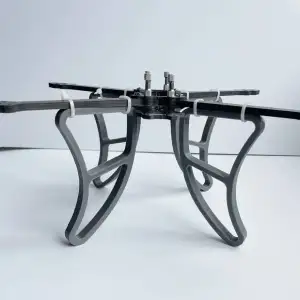


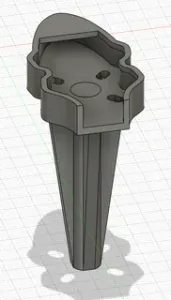


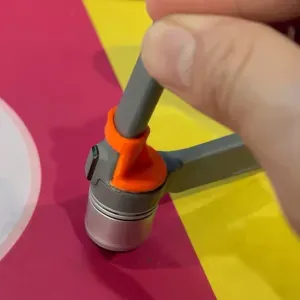


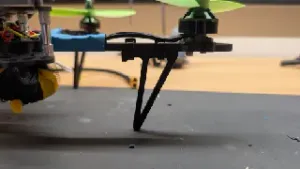


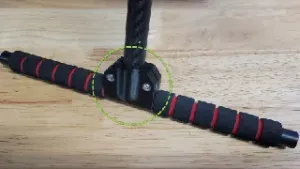

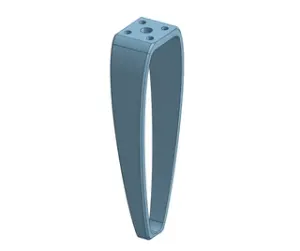
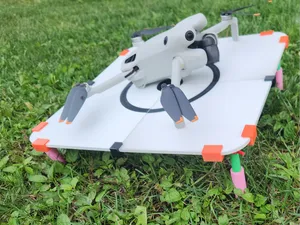


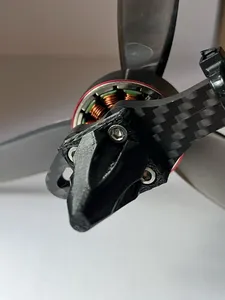

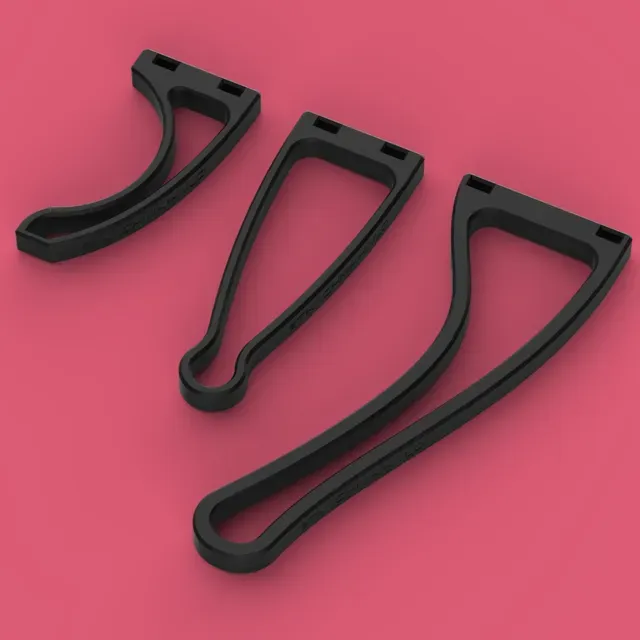
The models fall into a few groups. Risers and extenders raise the body of a camera drone without changing the frame, while FPV legs are usually simple rods or plates offered in several lengths. Repair parts copy the shape of a leg that cracks in a crash, and universal feet or tube mounts fit a range of struts rather than one airframe. Larger multirotors often use folding legs driven by a servo, which adds a hinge and a mount to the part count.
Before printing, read the model page for the numbers that decide whether a leg fits: tube diameter, hole spacing, screw size, leg length and the ground clearance it adds. Check how many parts the set contains and whether they are joined with screws, pins or glue. The author usually lists a material and settings; landing legs take repeated knocks, so many makers choose a filament that bends rather than shatters, and some use a softer one for the foot. Photos of real prints show how the part sits on the frame better than a render does.
Search results widen if you use the terms the authors use: landing gear, risers, extenders, skids, struts, feet and mounts, often combined with a frame size or a tube diameter. Related topics include camera and antenna mounts, motor mounts and servo brackets, since these parts share the same tube and hole conventions. If a search returns little, try the frame size alone or the leg length in millimetres, then narrow the list by part type.




完整的主题目录:从家居日用到CNC,均可在已接入的来源平台中搜索。