Gratuit 
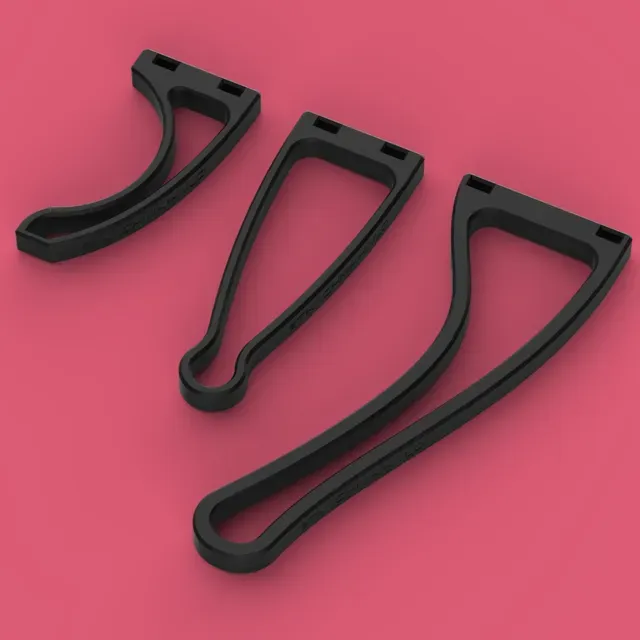
Legs for fpv drone (10)
Printables
This collection gathers 3D models that lift a drone off the ground: risers and extenders for camera drones, fixed-length legs for FPV builds, replacement legs for damaged frames, and universal feet for tubes. Most of these parts are small and print in a single run, which makes them a common first project for anyone getting into 3D printing. The list is useful when an original leg has broken or when a frame needs more ground clearance. Polyzon does not confirm whether models are free, their price, license, official status, affiliation, safety or fitness. Check the current terms at the source.
Le texte de cette collection est rédigé en anglais ; la recherche, elle, fonctionne dans toutes les langues.
 Une collection Polyzon · 47 modèles sur 7 plateformes
Polyzon compose cette collection à partir des résultats de recherche des plateformes connectées. Les doublons et les modèles sans aperçu sont retirés, les correspondances faibles sont placées à la fin, et le reste suit l’ordre de la recherche. Les modèles appartiennent à leurs auteurs : consultez les conditions sur la page de chaque modèle.
Règles de sélection : la rédaction de Polyzon · Texte mis à jour le 12/10/2026


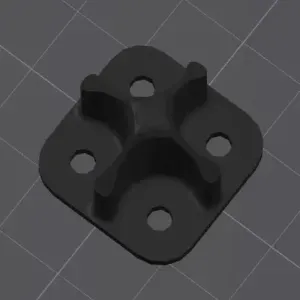


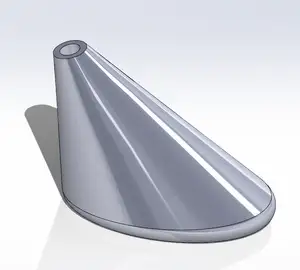

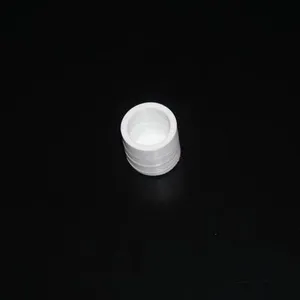
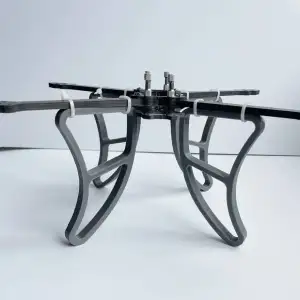


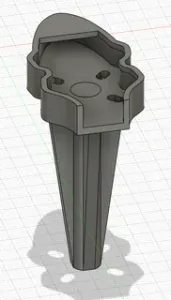


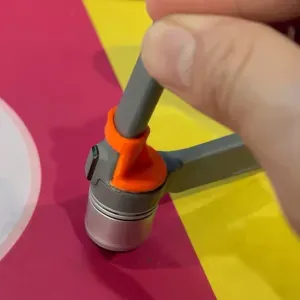


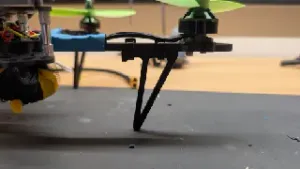


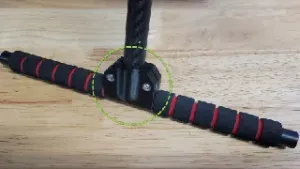

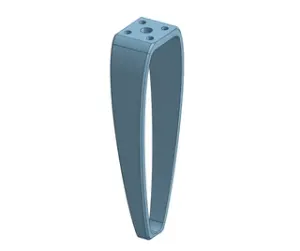
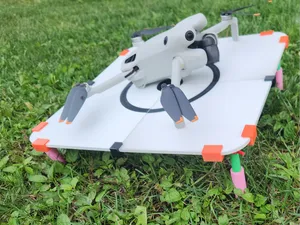


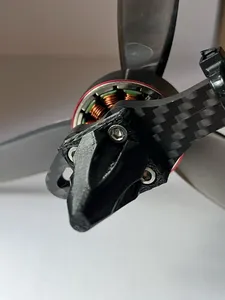

The models fall into a few groups. Risers and extenders raise the body of a camera drone without changing the frame, while FPV legs are usually simple rods or plates offered in several lengths. Repair parts copy the shape of a leg that cracks in a crash, and universal feet or tube mounts fit a range of struts rather than one airframe. Larger multirotors often use folding legs driven by a servo, which adds a hinge and a mount to the part count.
Before printing, read the model page for the numbers that decide whether a leg fits: tube diameter, hole spacing, screw size, leg length and the ground clearance it adds. Check how many parts the set contains and whether they are joined with screws, pins or glue. The author usually lists a material and settings; landing legs take repeated knocks, so many makers choose a filament that bends rather than shatters, and some use a softer one for the foot. Photos of real prints show how the part sits on the frame better than a render does.
Search results widen if you use the terms the authors use: landing gear, risers, extenders, skids, struts, feet and mounts, often combined with a frame size or a tube diameter. Related topics include camera and antenna mounts, motor mounts and servo brackets, since these parts share the same tube and hole conventions. If a search returns little, try the frame size alone or the leg length in millimetres, then narrow the list by part type.




Le catalogue complet des thèmes, de la maison à la CNC, avec une recherche sur tous les sites connectés.