
無料 
Zheng3 Penny Ballista
Thingiverse
This collection gathers humanoid 3D models in several directions: jointed figures and mannequins, small robots built around electronics, separate heads and hands, and character busts. It is useful when you want a body-shaped model for a desk, a drawing reference or a build that moves. Most entries are made for a 3D printer and come as STL files, sometimes with instructions from the author. Polyzon does not confirm whether models are free, their price, license, official status, affiliation, safety or fitness. Check the current terms at the source.
このコレクションの本文は英語で書かれています。検索自体はどの言語でも使えます。
 Polyzonのコレクション · モデル48件 4サイトから収集
このコレクションは、Polyzonが対応サイトの検索結果をもとに作成しています。重複やプレビューのないモデルは除外し、関連性の低いものは後ろに回し、それ以外は検索結果の順に並べています。モデルの権利は各作者にあります。利用条件は各モデルのページでご確認ください。
選定基準:Polyzon編集部 · 本文の更新日:2026年10月13日


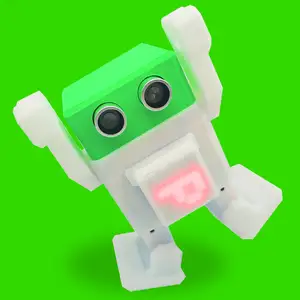
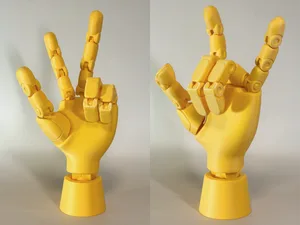


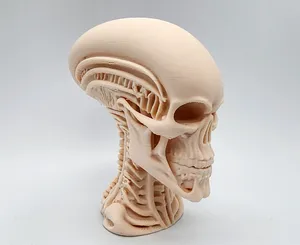
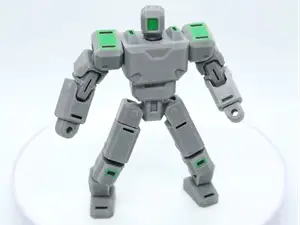


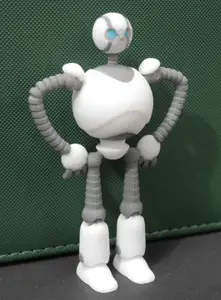

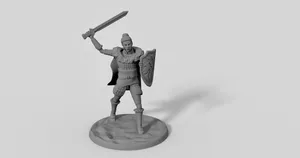



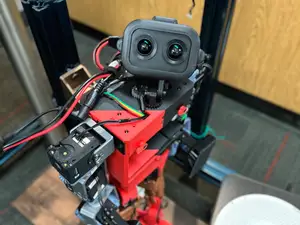


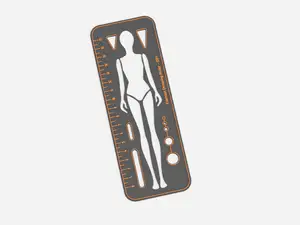


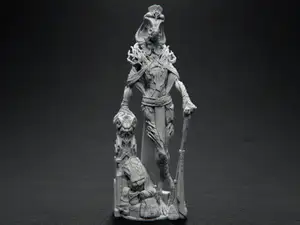


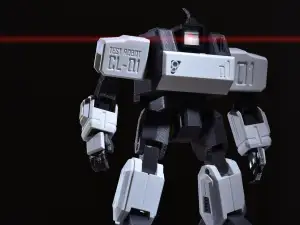


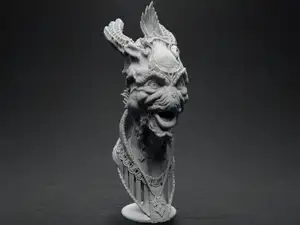
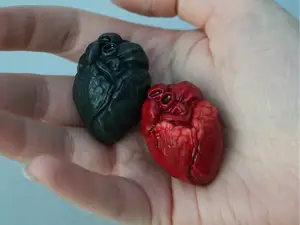


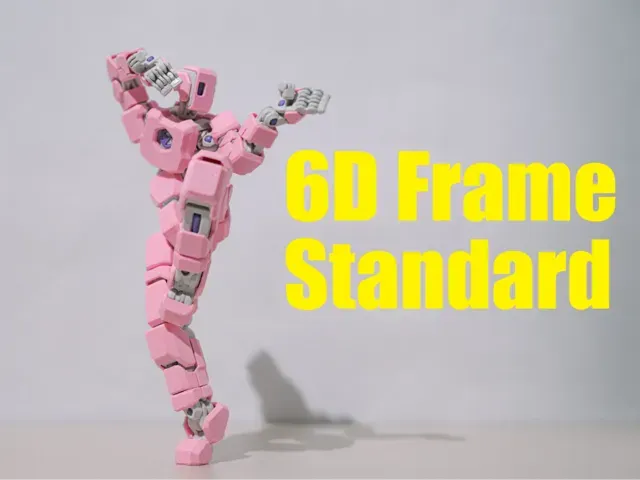
The models differ mainly in how they are put together. Articulated figures and mannequins are printed as a set of parts that snap or pin together, so the pose can be changed after assembly. DIY humanoid robots usually combine printed shells with servos, a microcontroller board and a battery holder, which means the printed parts are only half of the project. Heads, hands and busts are often single-piece or few-piece models, closer to a display object than a working mechanism.
Before printing, open the author's model page and read what is listed there: overall height and scale, the number of separate parts, whether supports are needed, and the material and settings the author used. For jointed models, look at the clearance between moving parts and at photos of real prints rather than renders, since small gaps can close up depending on the printer. For electronics-based robots, check which board and servo sizes the design expects, and whether any non-printed hardware is described.
If the results feel narrow, try other words for the same idea: android, cyborg, mech, action figure, articulated doll, mannequin, bust or droid. Related searches such as robot arm, robot hand, servo bracket or Raspberry Pi robot often lead to parts that fit a humanoid build. You can also search by use — drawing reference, desk figure, tabletop miniature — or by scale, since humanoid models range from small miniatures to large display pieces.
暮らし・日用品からCNCまで、すべてのテーマをそろえたカタログ。対応サイトを横断して検索できます。