
Grátis 
RC Jeep JK Chassis complete scale RC Car kit 1/10 (except axels, gearbox, shocks, links and driveshafts)
Thingiverse
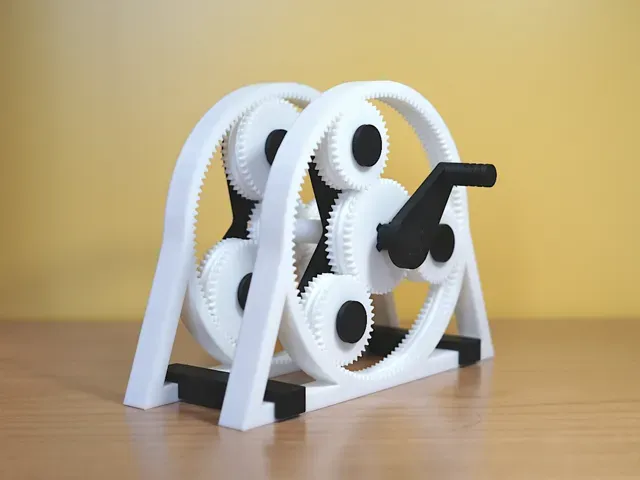
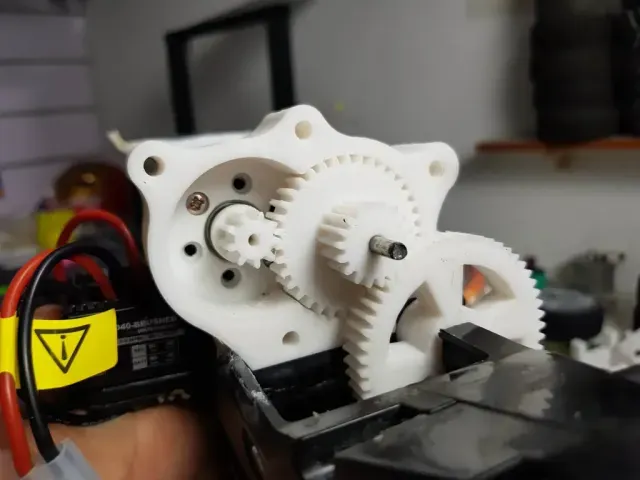
This collection gathers 3D models built around axial and reduction gearboxes: planetary stages, RC crawler transmissions, bevel gear pairs and small gear-driven toys. Most of them are meant for 3D printing on a home FDM machine, though the required tolerances vary a lot between a desk toy and a loaded drivetrain. The list is useful when you need a gear reduction for a project and want to compare several layouts before committing to one. Polyzon does not confirm whether models are free, their price, license, official status, affiliation, safety or fitness. Check the current terms at the source.
O texto desta coleção está em inglês; a busca funciona em qualquer idioma.
 Uma coleção do Polyzon · 47 modelos de 3 sites
O Polyzon monta esta coleção a partir dos resultados de busca dos sites conectados. Repetições e modelos sem prévia são removidos, correspondências fracas vão para o final e o restante segue a ordem da busca. Os modelos pertencem aos seus autores — confira os termos na página de cada modelo.
Regras de seleção: equipe editorial do Polyzon · Texto atualizado em 15/10/2026

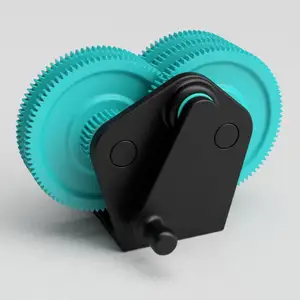

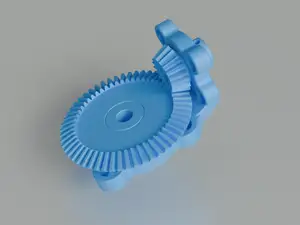
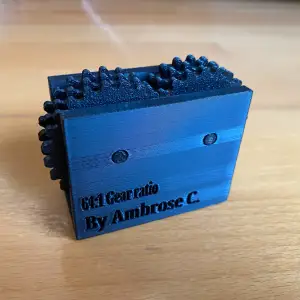

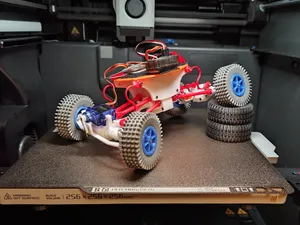
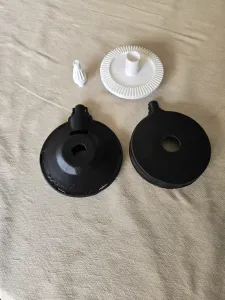

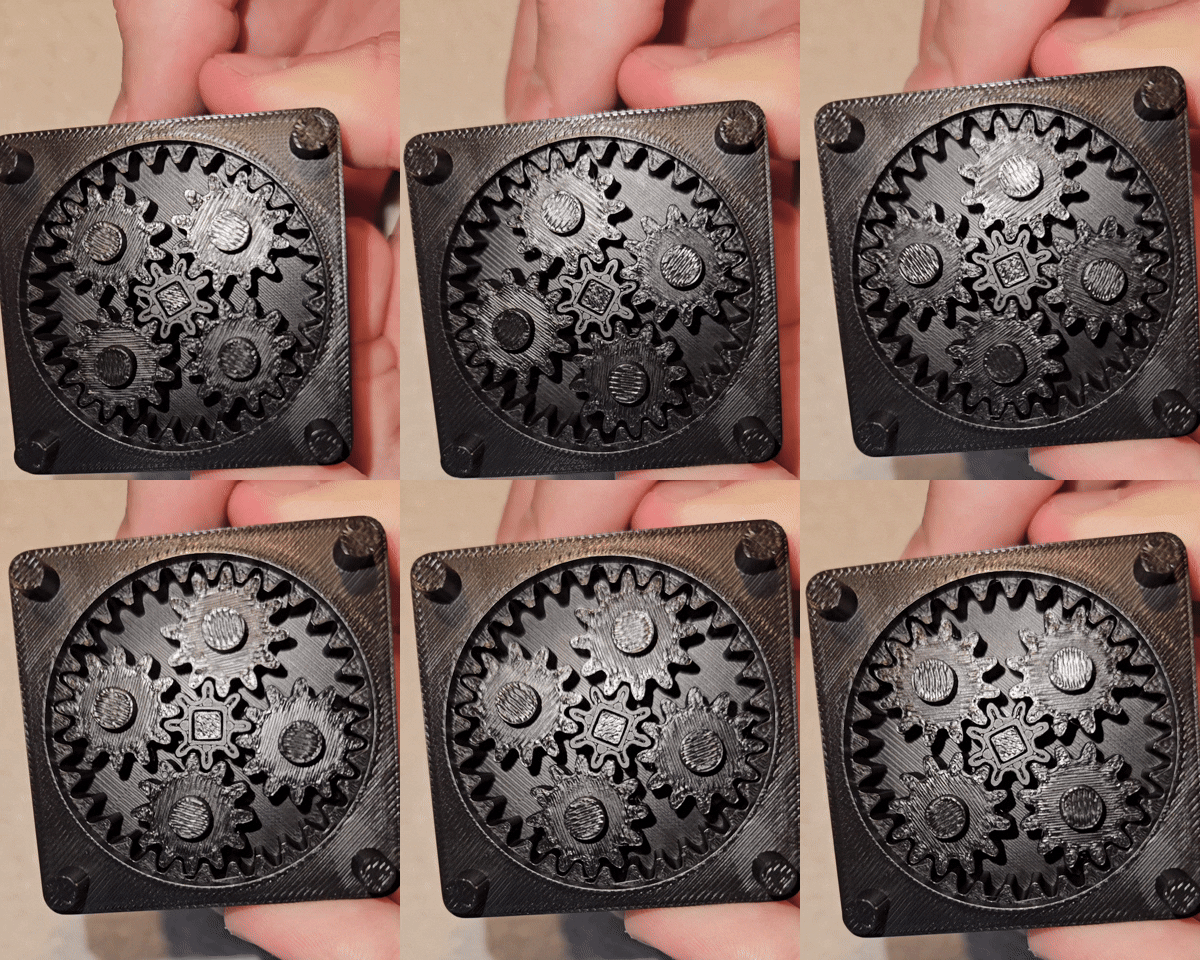
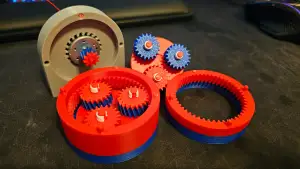

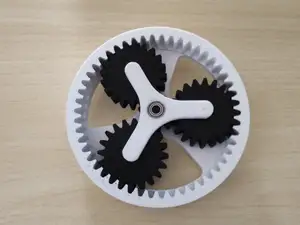
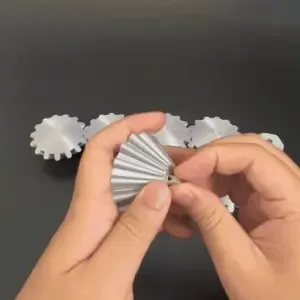

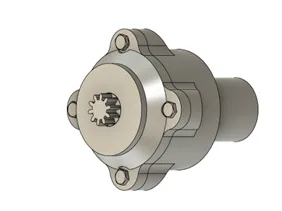
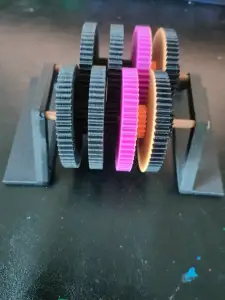

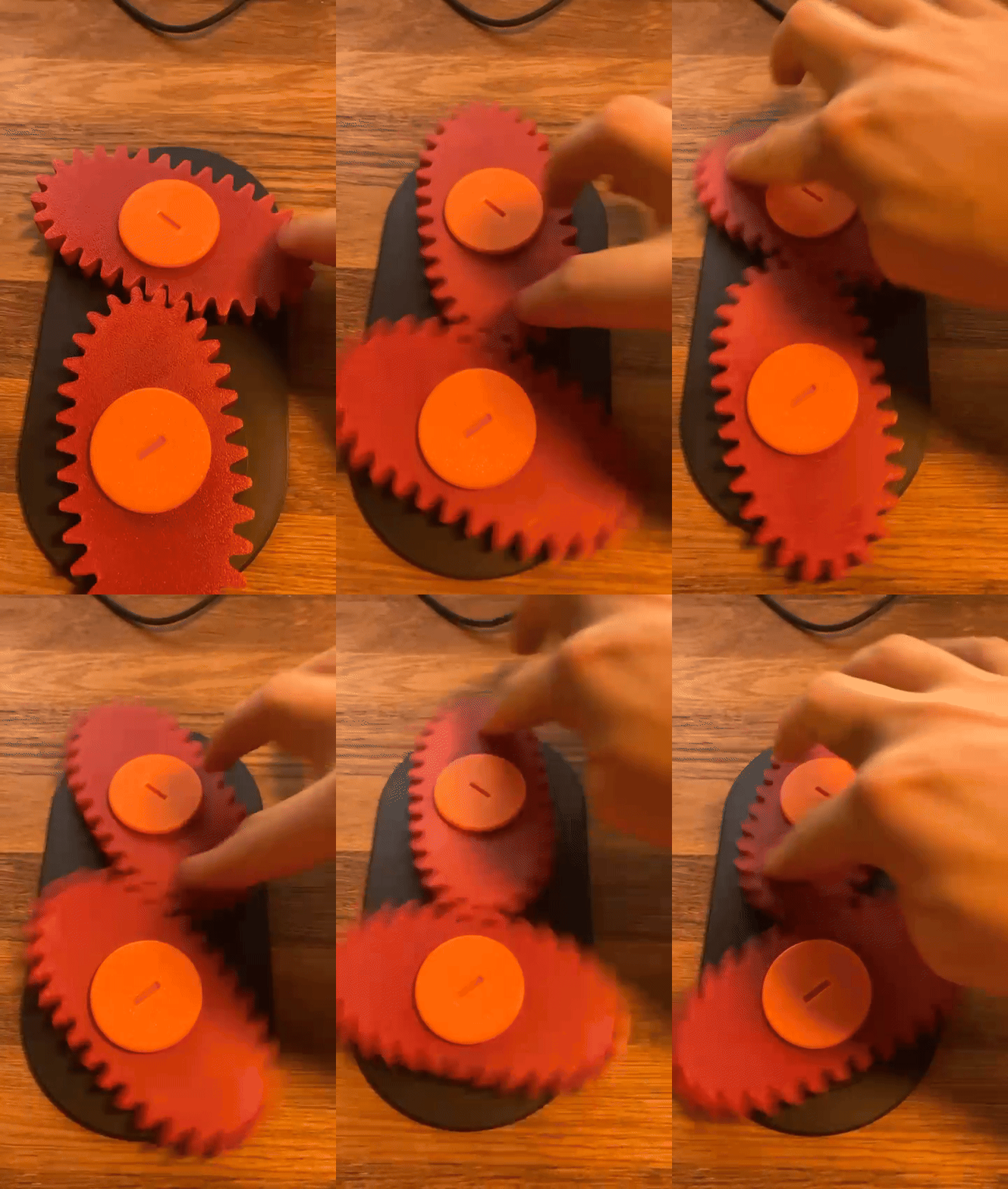
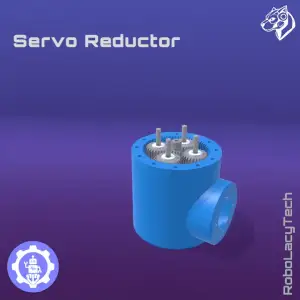
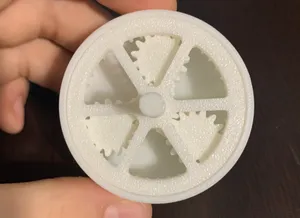
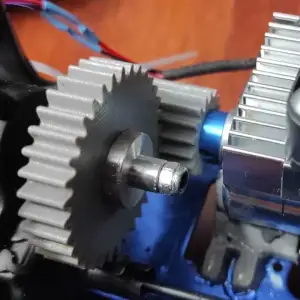
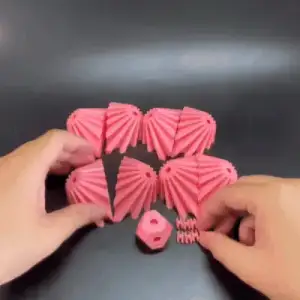

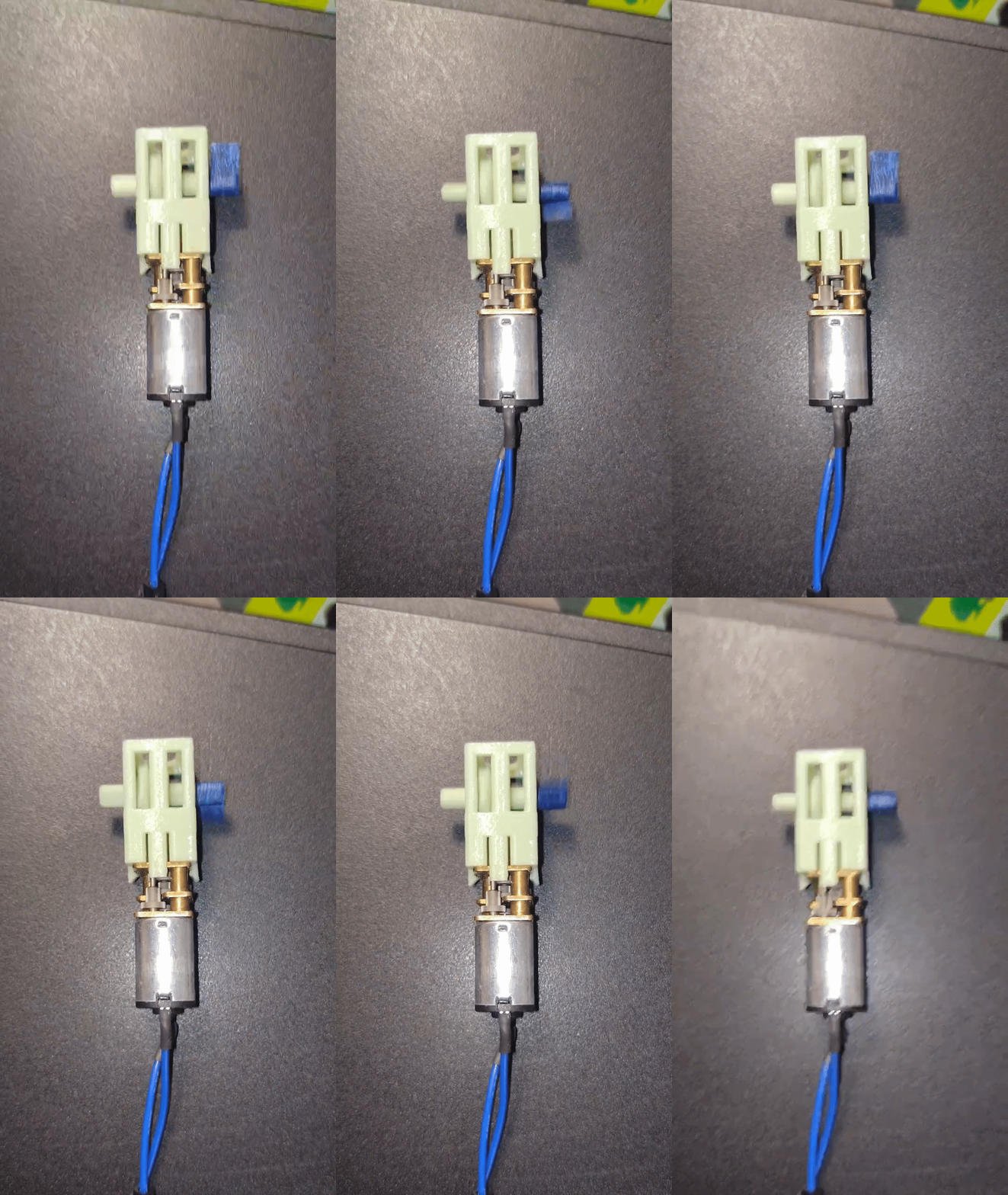
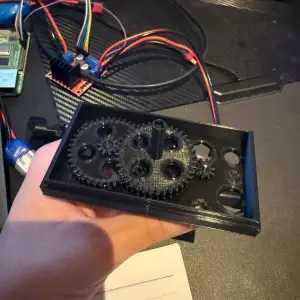


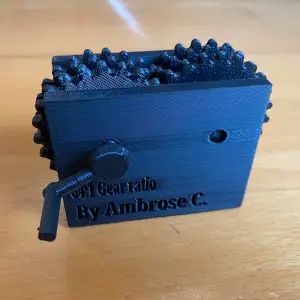
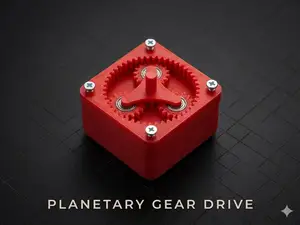
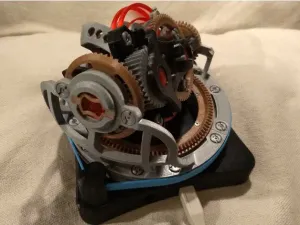

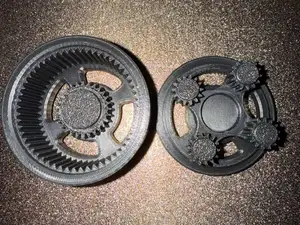
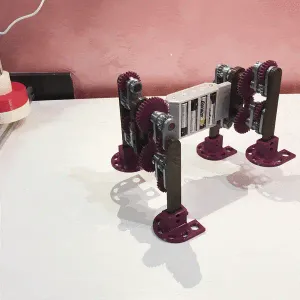

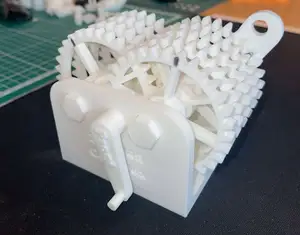
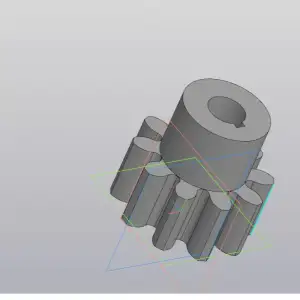
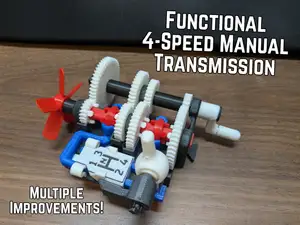
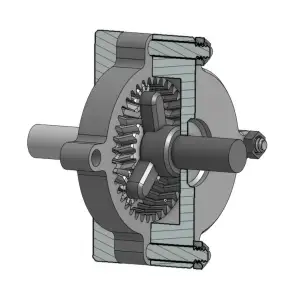


Planetary designs appear in both single-stage and stacked versions, where several stages are chained to reach a higher reduction. RC-oriented entries tend to be complete transmission housings with mounts and skid plates that fit a specific chassis family, while standalone gear sets are just the toothed parts. Bevel and right-angle units change the direction of the drive, which matters when the motor has to sit along the chassis rather than across it.
Before printing, look at the reduction ratio and what it implies for torque and speed, then check the module or tooth profile the author specifies, since mixing profiles from two sources rarely works. Read the part list: how many pieces the assembly has, whether bearings, shafts or screws are required, and whether the author printed it in one piece or in sections. Layer height, wall count and material choice affect how well teeth mesh, so the settings on the model page are worth following closely, and photos of finished prints show how the parts actually fit together.
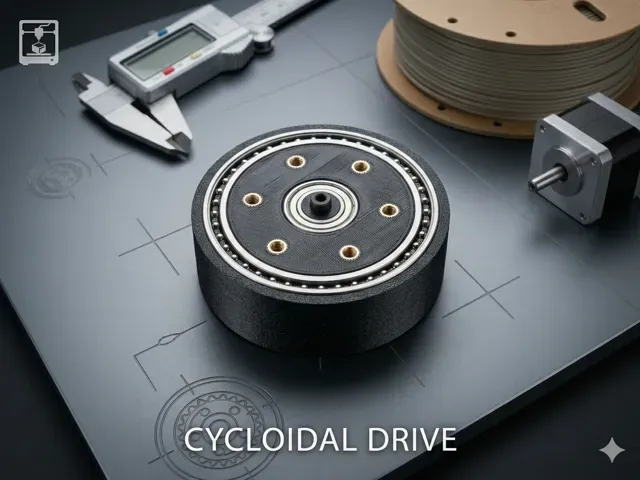
If the results feel narrow, try related wording: transmission, transfer case, speed reducer, worm drive, cycloidal drive, or the ratio you need, such as 1:10 or 1:36. Searching by the chassis or scale you are building, or by the shaft diameter and bearing size, often narrows the list faster than the word gearbox alone. Combining a gearbox term with mount, housing or adapter brings up the surrounding parts rather than the gears themselves.


O catálogo completo de temas — de casa e utilidades a CNC, com busca em todos os sites conectados.