
Ücretsiz 
Triceratops
Thingiverse
This collection gathers 3D models built around propellers, from parametric generators that let you set diameter, pitch and blade count to fixed rotors and propeller-driven toys. It is useful if you print for FPV drones, RC planes or small mechanical experiments and want a starting point before opening the author's page. Most entries are STL files meant for a desktop 3D printer, so the differences lie in geometry and assembly rather than in the format. Polyzon does not confirm whether models are free, their price, license, official status, affiliation, safety or fitness. Check the current terms at the source.
Bu koleksiyonun metni İngilizce; arama ise her dilde çalışır.
 Bir Polyzon koleksiyonu · 48 model 3 siteden
Polyzon bu koleksiyonu bağlı sitelerdeki arama sonuçlarından oluşturur. Tekrarlar ve önizlemesi olmayan modeller çıkarılır, zayıf eşleşmeler sona alınır, geri kalanlar arama sırasını korur. Modeller yazarlarına aittir; her modelin sayfasındaki koşulları kontrol edin.
Seçim kuralları: Polyzon editör ekibi · Metin güncellendi: 12.10.2026

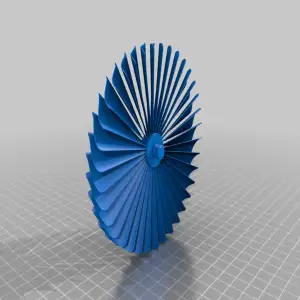

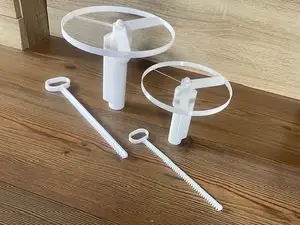
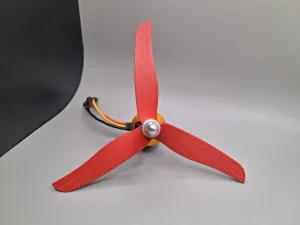

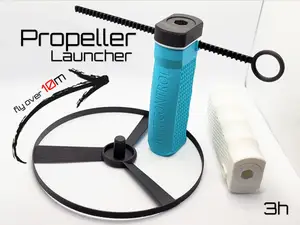
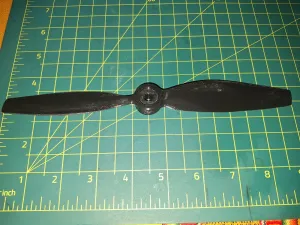

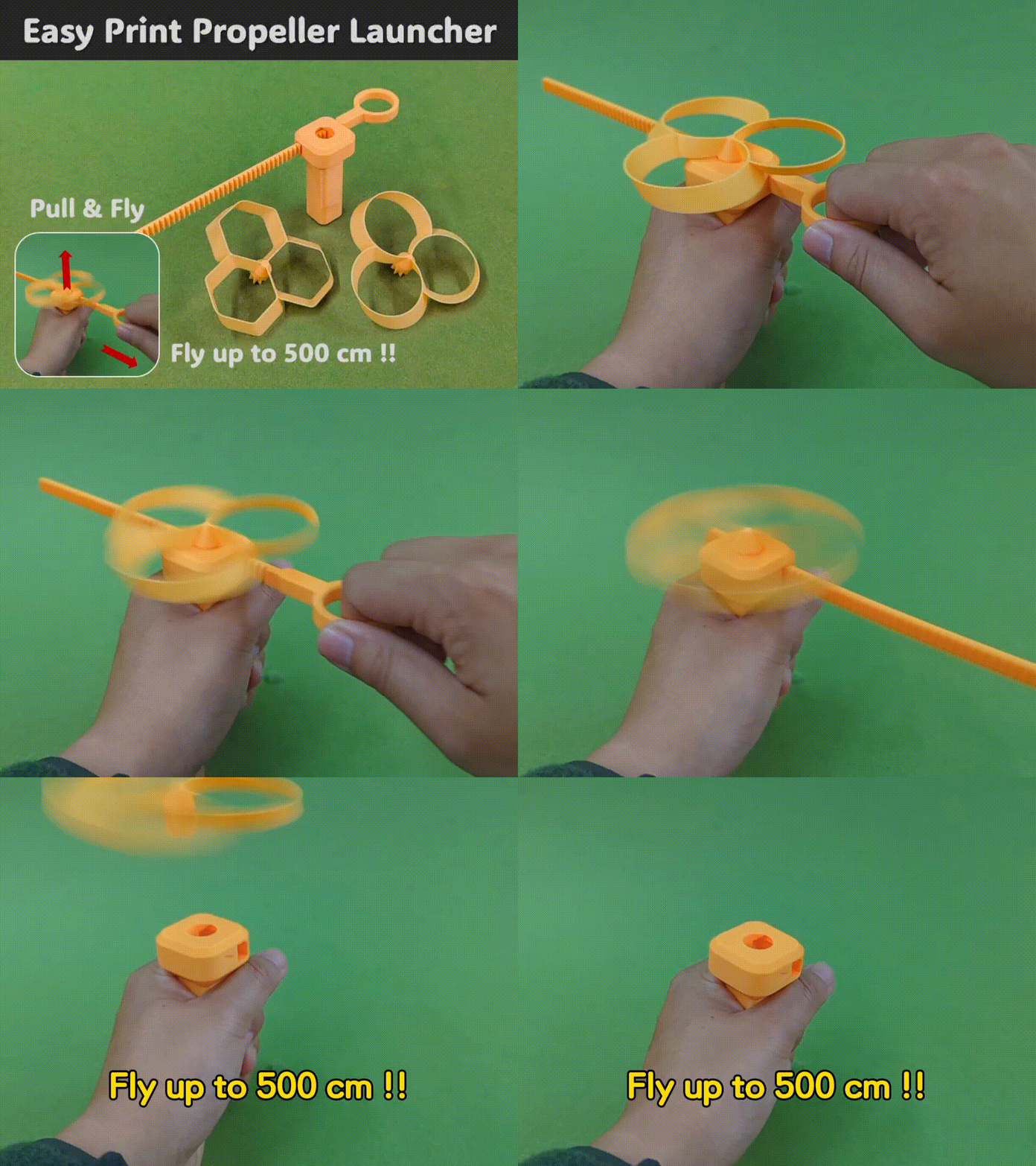
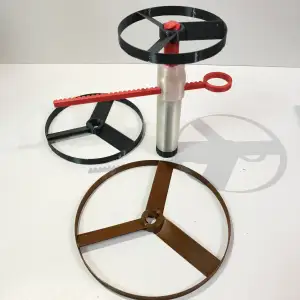

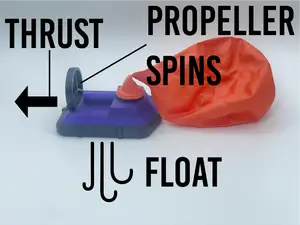
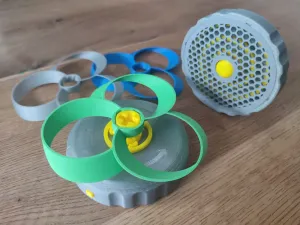

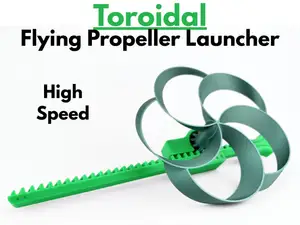
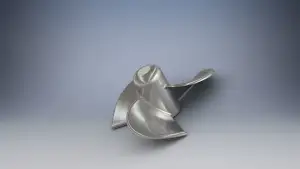

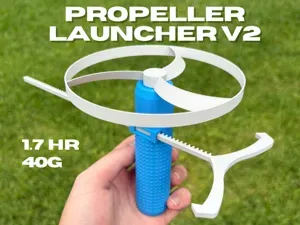
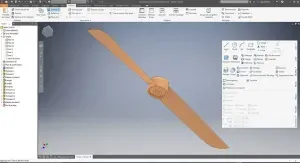

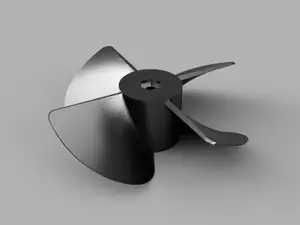
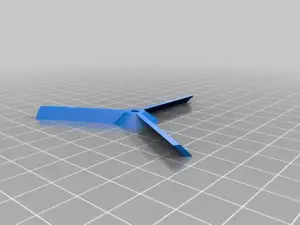

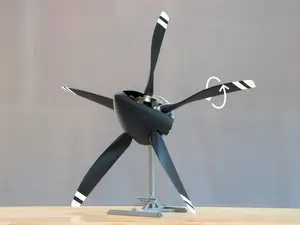
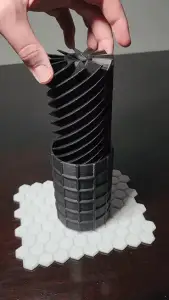

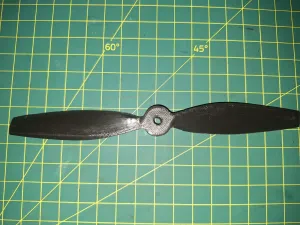

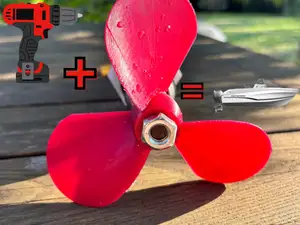
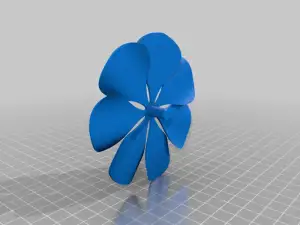

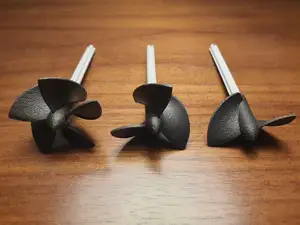
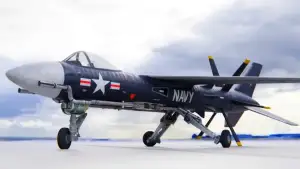

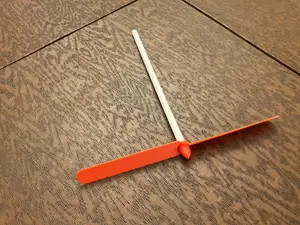
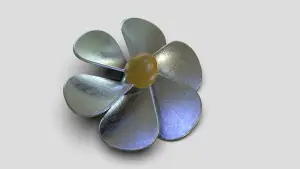

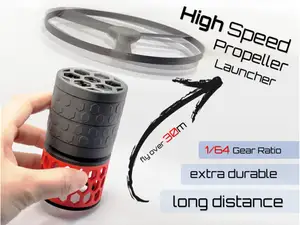
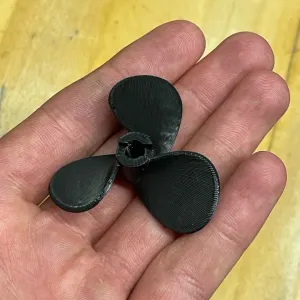

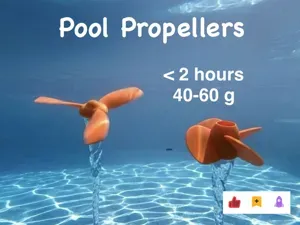
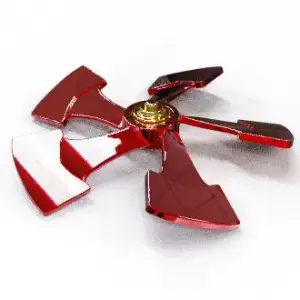
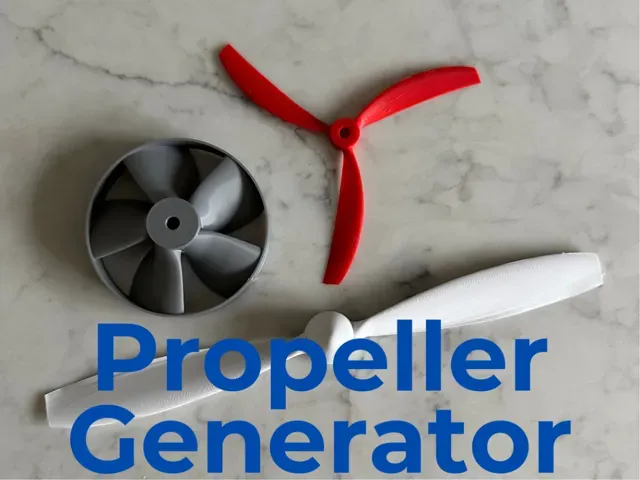
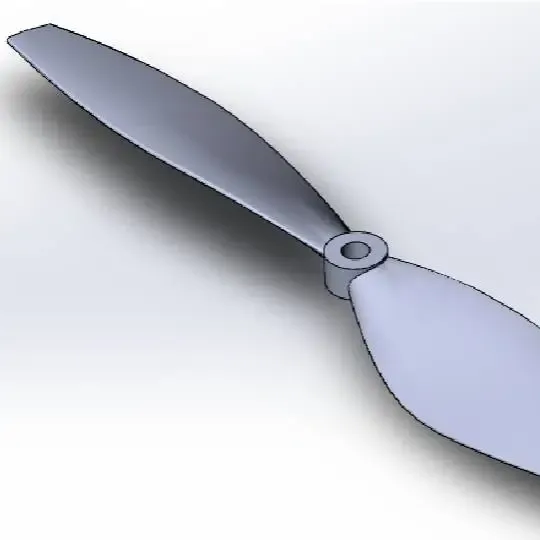
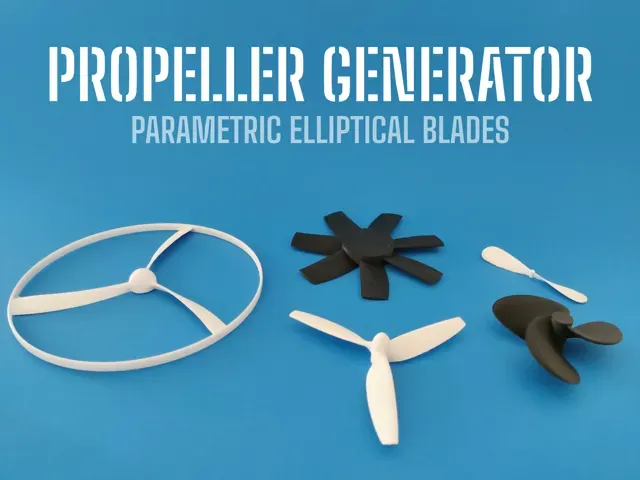
The models fall into a few groups. Parametric generators produce a propeller from values you enter, which makes them handy when a specific diameter or blade number is needed. Fixed propellers are published at a stated size and pitch, often with two or more blades, and some are written for small electric planes or multirotors. A separate group covers launchers, pull copters and hovercraft parts, where the rotor spins a toy or a test rig instead of lifting an aircraft.
When choosing, read the model page rather than the thumbnail. Check the stated diameter and pitch, the number of blades, whether the hub is a separate part, and whether the author expects glue, screws or a motor shaft adapter. Look at the layer height, wall count and material the author lists, since thin blades behave differently in PLA and in a tougher filament. Photos of real prints show how the blade tips and hub came out better than a render does.
Balance and surface finish matter more than the file itself on a rotor of this size. Print blades in matched pairs or sets, keep the same orientation and settings for each, and check the hub bore against your motor or shaft before assembly. If a search returns too little, try related wording: quadcopter prop, drone rotor, RC plane airscrew, multi-blade prop, ducted fan, or parametric propeller. Adding the diameter and pitch, or the words generator and launcher, narrows the list further.
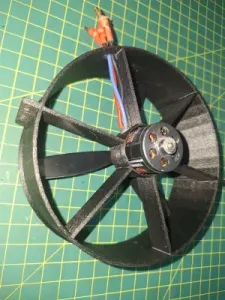
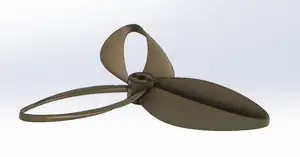

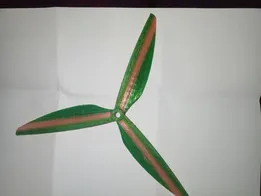

Ev ve günlük yaşamdan CNC'ye kadar tüm konuların kataloğu; bağlı sitelerin hepsinde arama yapabilirsiniz.